Red Canyon Ranch, Shell, Wyoming
Camarasaurus — Shell, Wyoming
- Location Red Canyon Ranch, Shell, Wyoming
- Formation Morrison Formation (Jurassic)
- Season 2007
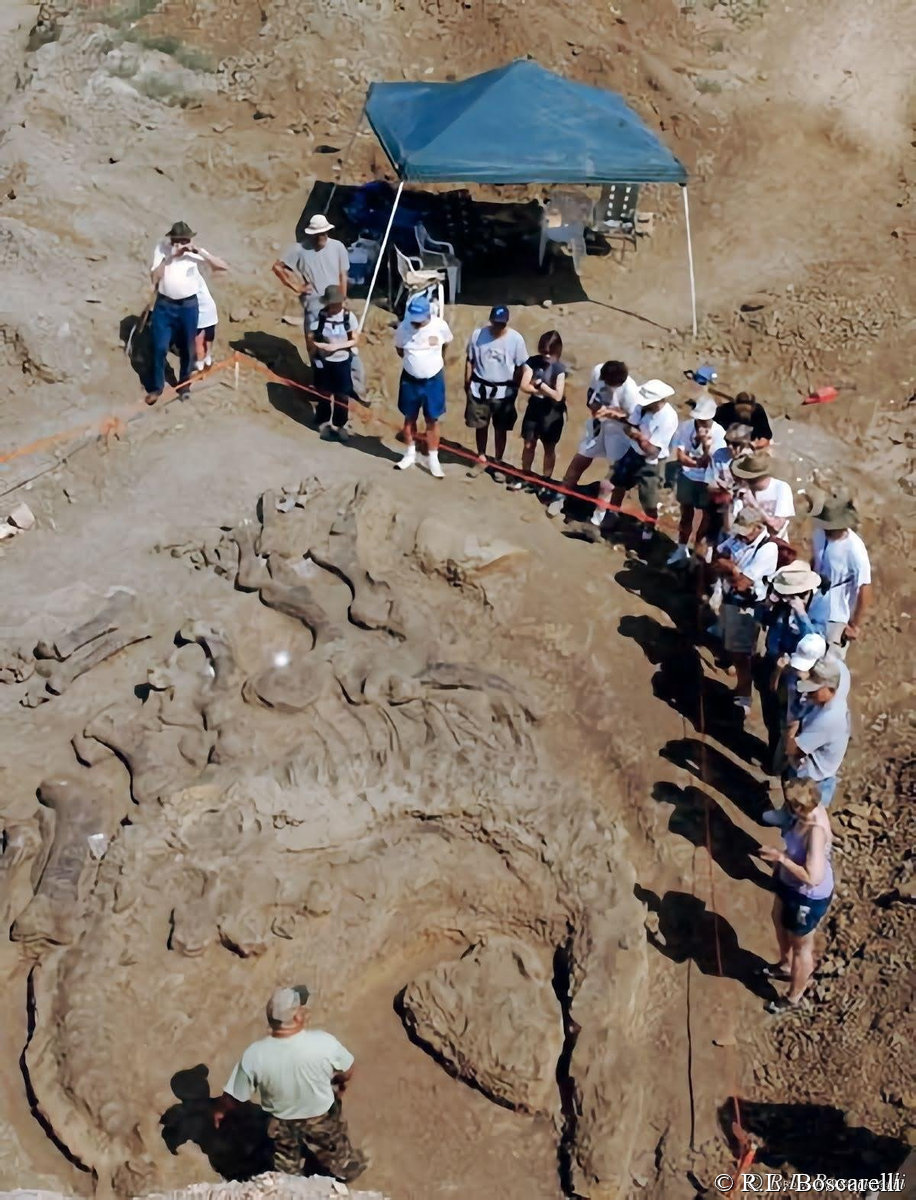
At Red Canyon Ranch near Shell, Wyoming — the working ranch of John “Ed” Anderson — the 2007 field season recovered one of the most complete sauropods ever taken from the Bighorn Basin: an over-90%-complete Camarasaurus skeleton from the Morrison Formation. The dig was organized and run by Bob Simon (DinoSafaris); my own role was hands-on excavation of the specimen from first exposure through removal, together with photographic and video documentation of the recovery and on-site explanation of the work to visiting geology groups.
Recovering an animal this complete is months of patient work, not days. Over roughly two months the crew worked the full recovery sequence: careful, controlled removal of the surrounding matrix; consolidation and stabilization of fragile bone as it was exposed; mapping of every element on the quarry floor so the skeleton’s articulation was recorded before anything was lifted; and finally plaster-and-burlap jacketing of each block for the long haul out of the field.
What makes this Camarasaurus scientifically valuable is not only its completeness but its pathology. Several bones show healed trauma — injuries the animal sustained and survived, the bone remodeling itself around the damage. That kind of evidence reaches past anatomy into life history: this was an individual that was hurt, recovered, and lived on.
The Shell quarries drew researchers and visitors throughout the dig — among them Dr. Paul Sereno, who spent time at both the 2004 Stegosaurus quarry and this 2007 Camarasaurus site. A note on identification: the fully articulated skeleton recovered here is Camarasaurus — robust, box-like vertebrae and tall neural spines. It was not the only sauropod in the quarry. A second animal, a Diplodocus the crew nicknamed “Straight Arrow,” lay nearby with only its neck vertebrae exposed. The site also produced float material from Camptosaurus, Diplodocus, Stegosaurus and Allosaurus.
After recovery and preparation, the specimen was transferred to the Fukui Prefectural Dinosaur Museum, Japan, where it stands today as a mounted representation of a Jurassic sauropod. This page preserves the excavation itself — the quarry, the methods, and the recovery conditions — not only the specimen that resulted.
The dig made the newspapers in six states that summer — the Billings Gazette front page, the wire pickups, hometown features on both coasts. The citation record, with what I actually said at the quarry, is on the In the Press page.
Field video — on the quarry floor, July 3, 2007
Original excavation footage from the quarry: the crew working directly on the articulated skeleton, talking through a problem every Morrison digger knows — telling petrified wood from bone. Captions available via the CC button.
Transcript (machine-generated, lightly imperfect)
“So, you were saying that petrified wood, it kind of looked like a murky brown color… Stuff that we found yesterday. — Isn’t that interesting? — It really depends on the mineral environment where the wood gets permeated. — What if there’s a big chunk of tree that’s charcoalized, and then you find stuff like that right by it? — Yeah, so it ages differently. — Not all wood gets filled by the same minerals or quantities. — I still can’t tell if I’ve been digging up a piece of wood, or if it’s bone — it’s completely different than anything I’ve seen around here. — I think it’s going perpendicular to anything that should be around here, unless it’s another rib part. But see, all the bones are shiny and black, and this thing is hideous. — Maybe that’s one of the beavers that tried to take it down.”
The specimen today
The completeness we could see in the quarry floor is what the mount is built from. In its own account of the dinosaur hall, the museum notes that of its mounted sauropods, “Camarasaurus is the most complete, in which more than 90 percent of the original fossil materials are used to mount the skeleton” — an unusually high proportion of real bone for a mounted sauropod, and the reason the animal was worth the two months it took to get out of the ground.
The museum’s own dinosaur catalog listed the specimen as Camarasaurus sp., Late Jurassic, an estimated 15 metres in total length, with the locality given plainly as Wyoming, U.S.A. — and noted that the skeleton “consists entirely of the original bone,” with research ongoing to determine which species of Camarasaurus it represents. The animal was never named.
At the end of the museum’s “Dino Street,” Fukui reproduced the quarry itself: a full-scale, 15-metre quarry map — sanjō, “as-found state” — with the bones lying as they lay in the ground, labeled skull, cervicals, caudals, femur, scapula. Visitors’ accounts describe the spine and tail arched upward and the head detached, resting a short distance from the neck. That is the floor these aerial photographs record, shot from directly overhead while the animal was still in the rock.
- Fukui Prefectural Dinosaur Museum — Exhibition (the museum’s own English pages)
- FPDM Dinosaur Catalog — Camarasaurus sp. (the museum’s catalog entry, archived — the page has since been retired from the live site)
- Fukui Prefectural Dinosaur Museum, Japan Visit Report 2024 — a visitor’s photo-report describing and picturing the 15-metre quarry map (Dino Tail, outside reference, not affiliated)
Further reading — regional geology
The Shell quarries sit in Wyoming’s Bighorn Basin, a region whose geologic story runs deeper than the Morrison. Nearby, the Red Gulch Dinosaur Tracksite preserves dinosaur (theropod) trackways in the Sundance Formation — an older, marine-margin unit that lies beneath the Morrison rocks that yielded this Camarasaurus. For an accessible overview of that regional geology and the Sundance Seaway, see Red Gulch Dinosaur Tracksite & the Sundance Seaway at GeoWyo — an outside reference, not affiliated with this site.
Field photographs
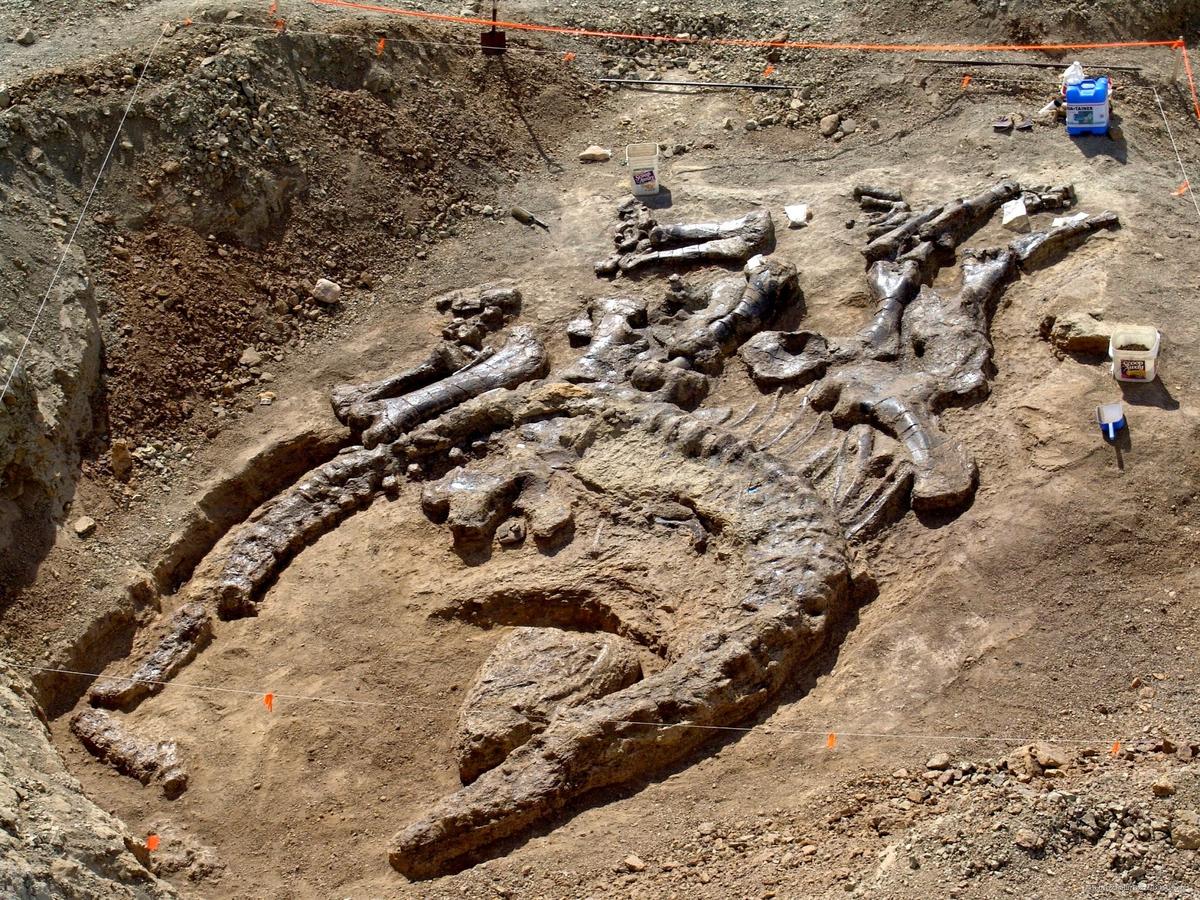
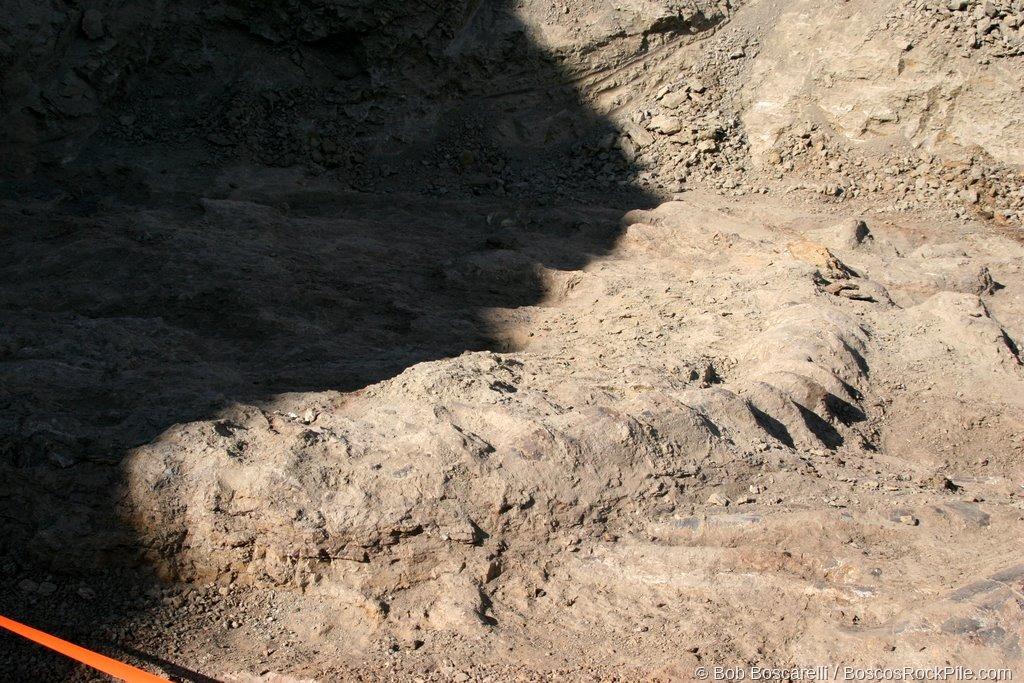
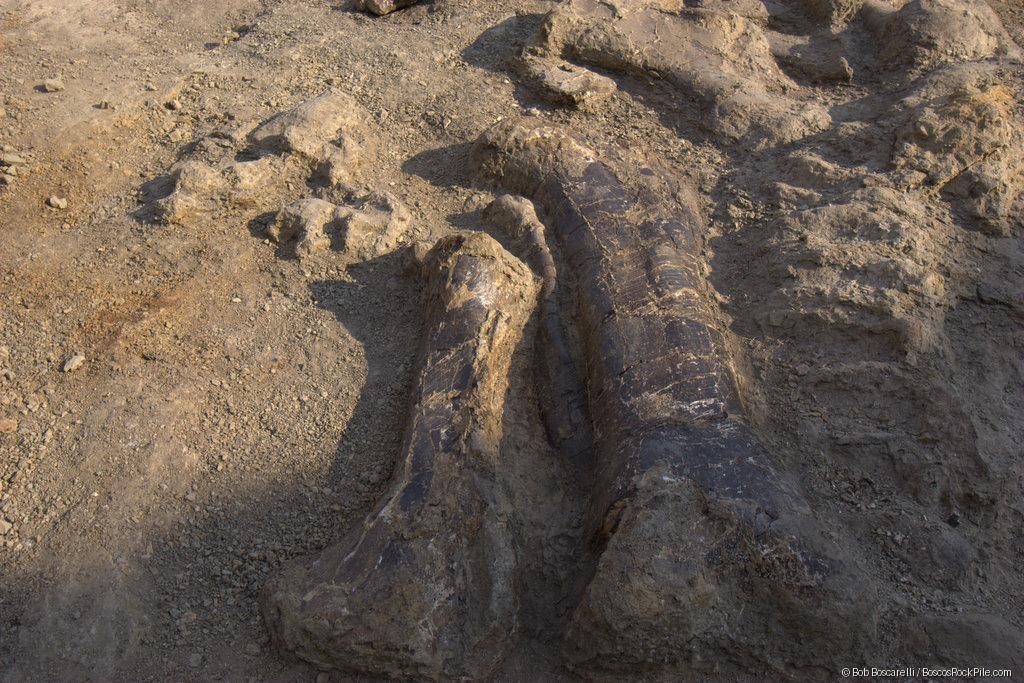
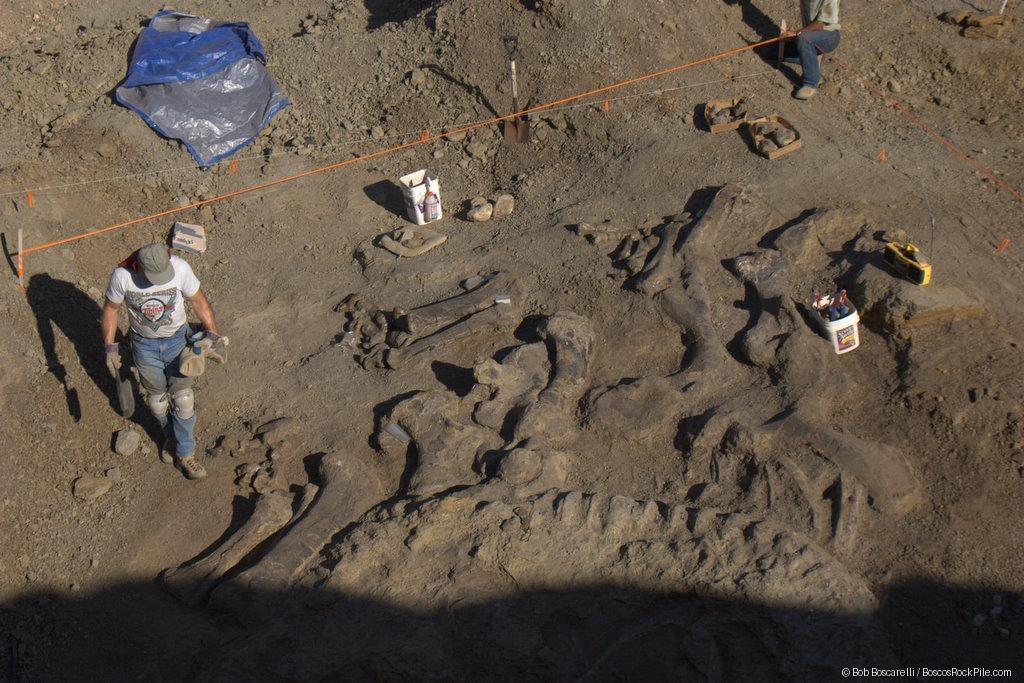
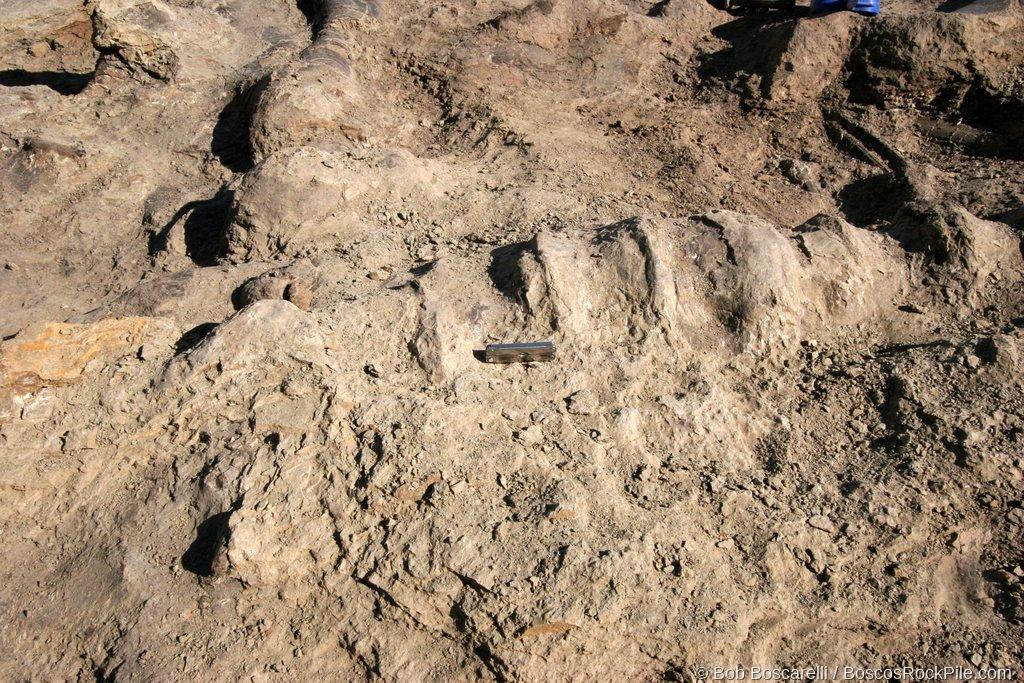
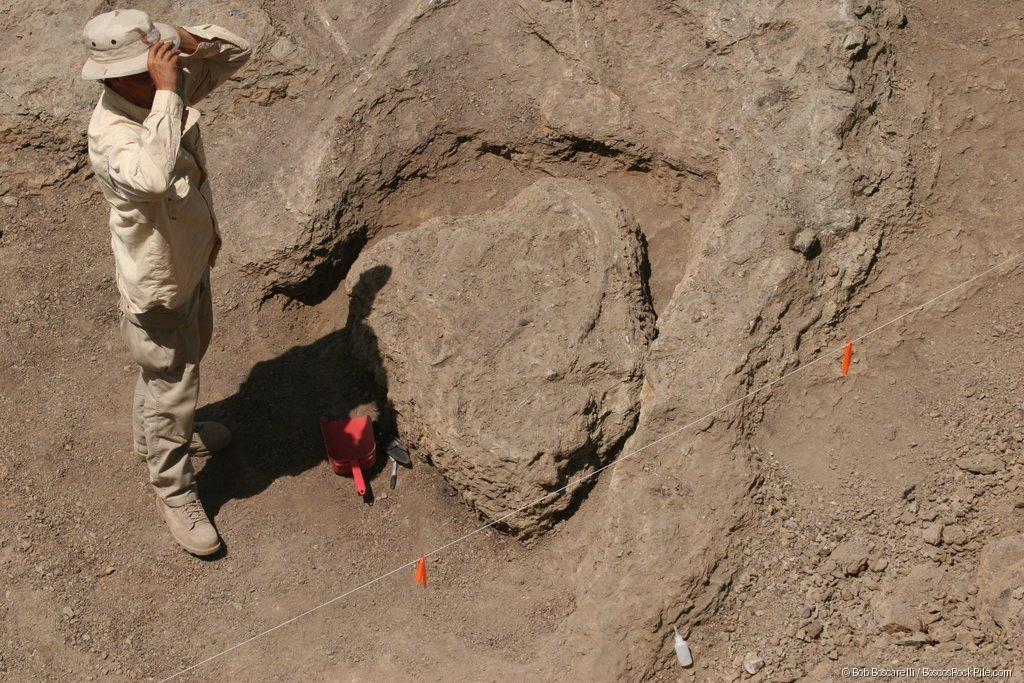
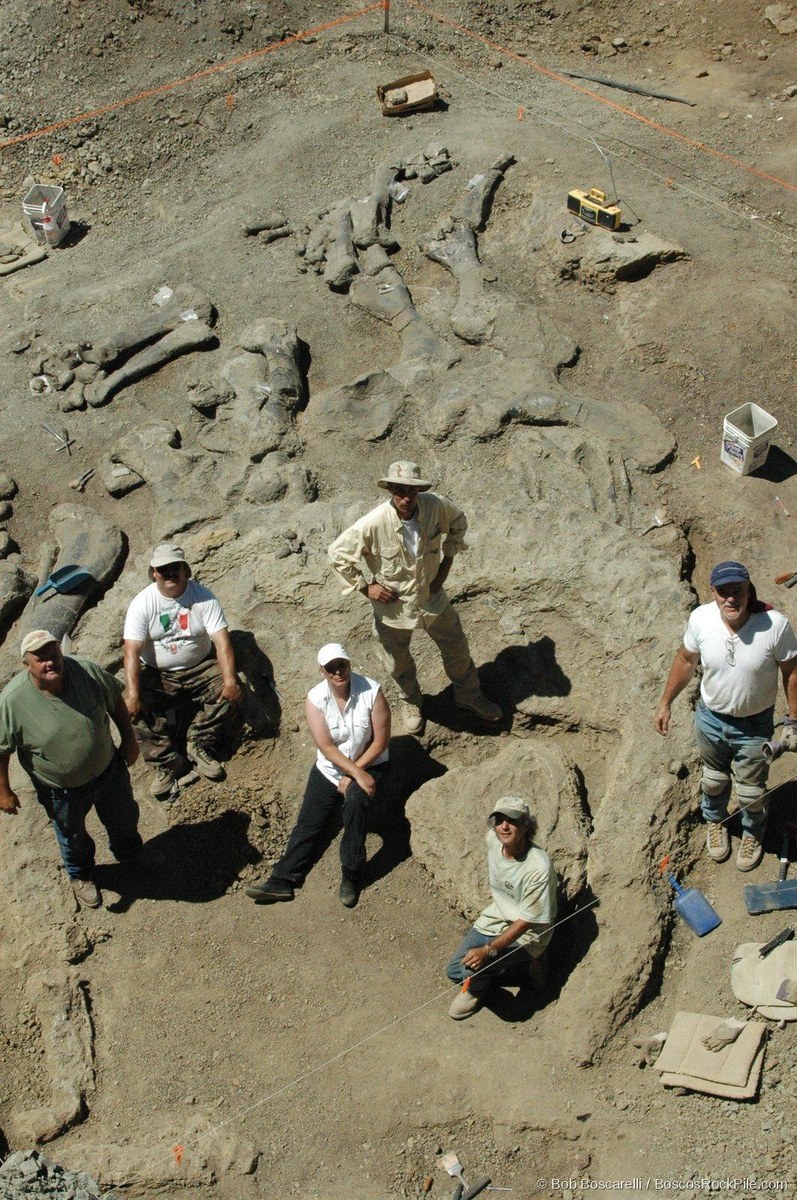
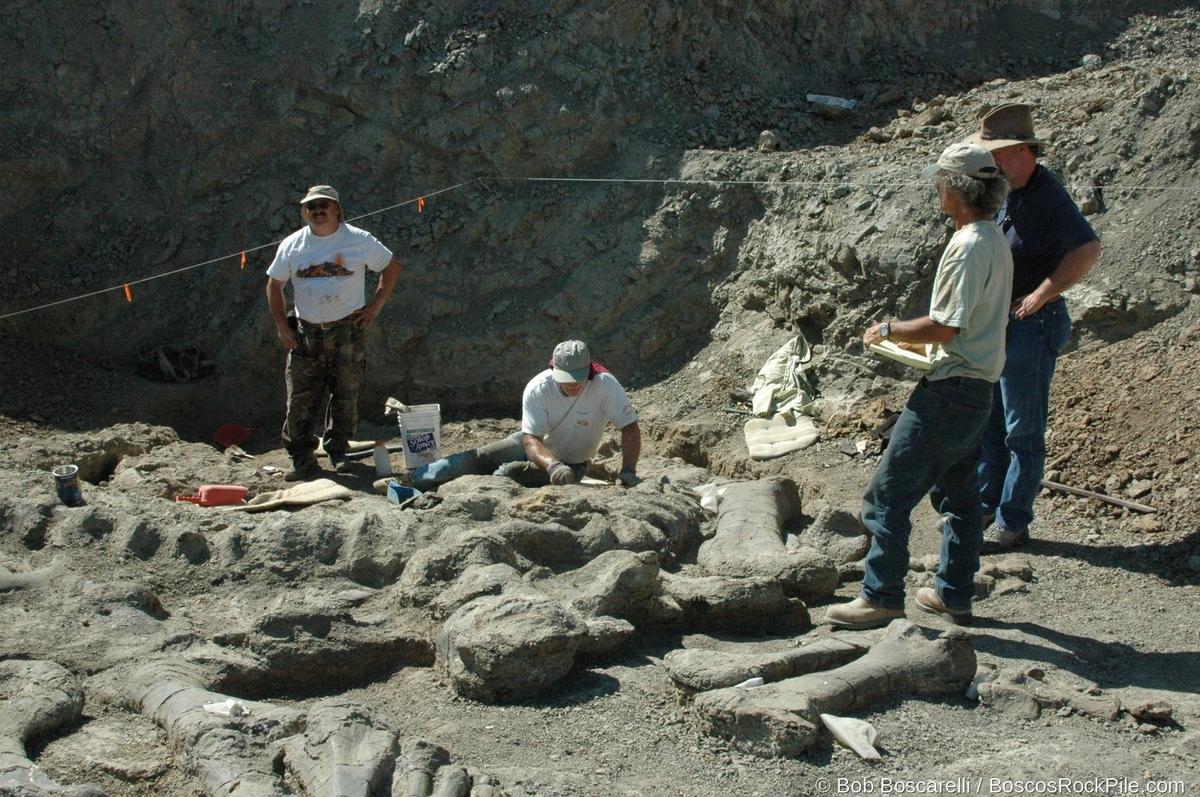
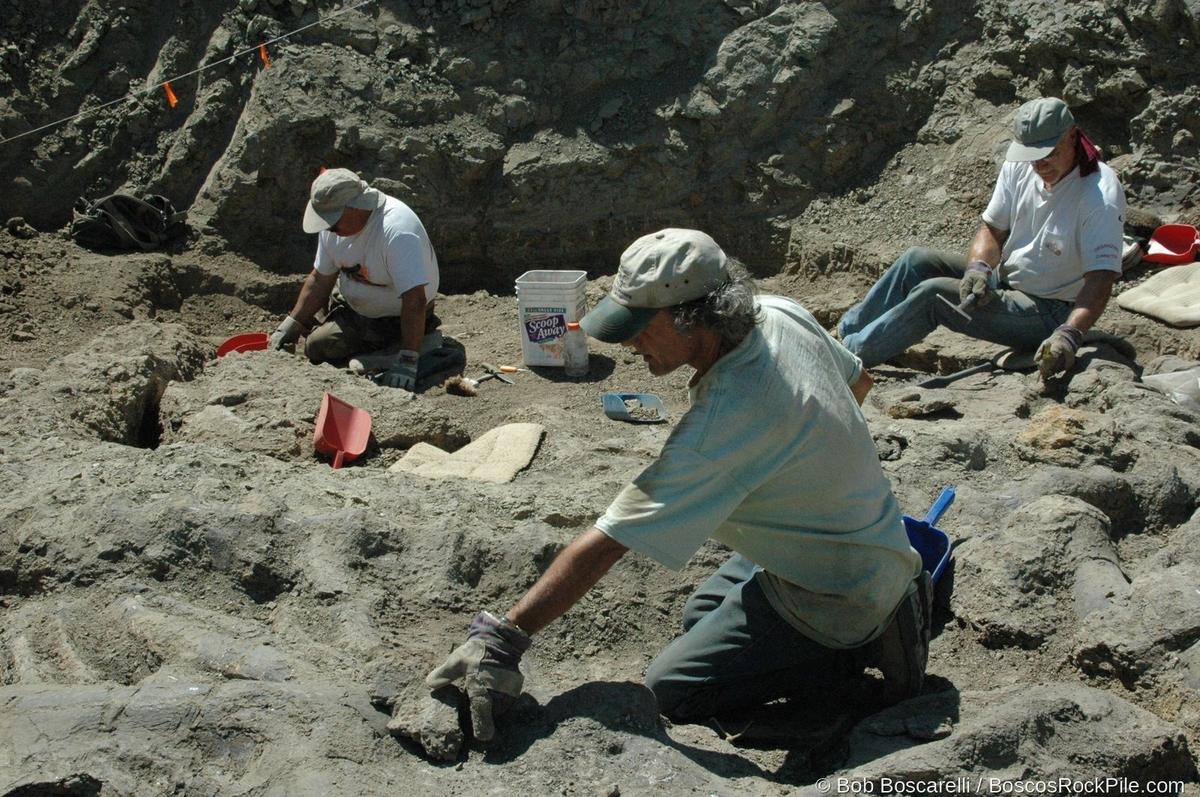
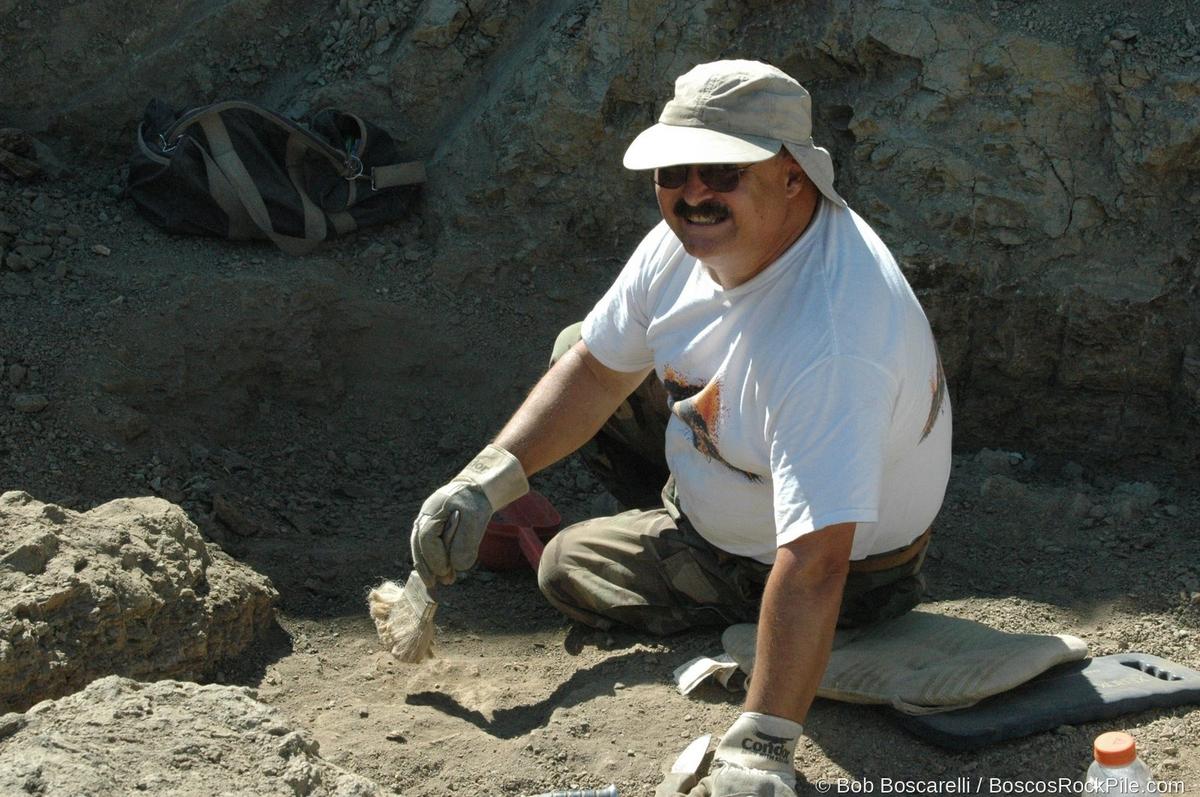
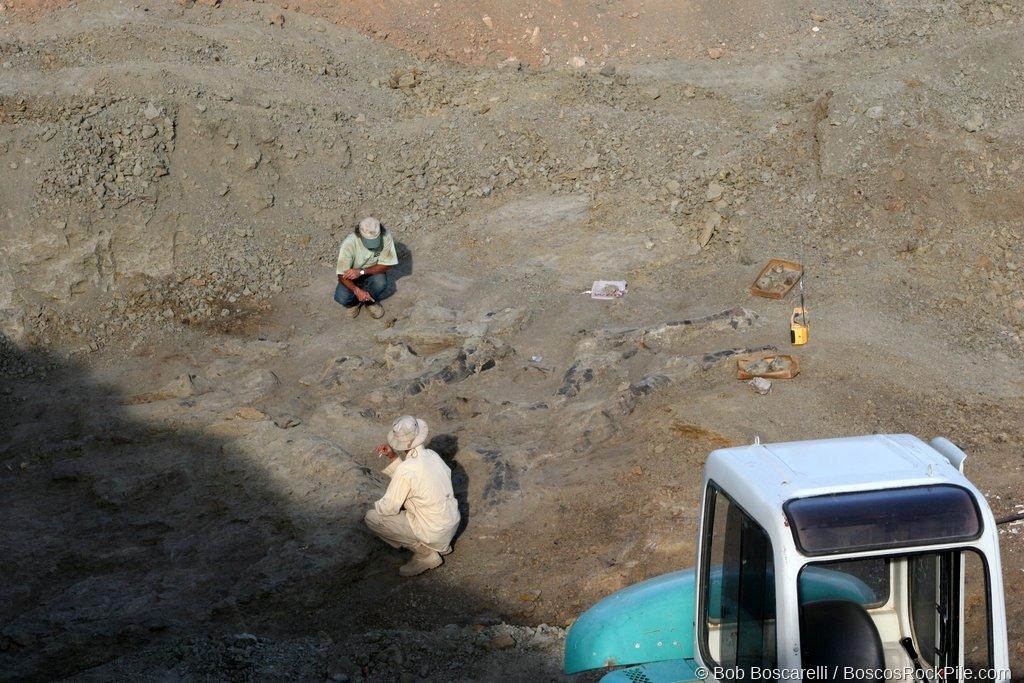
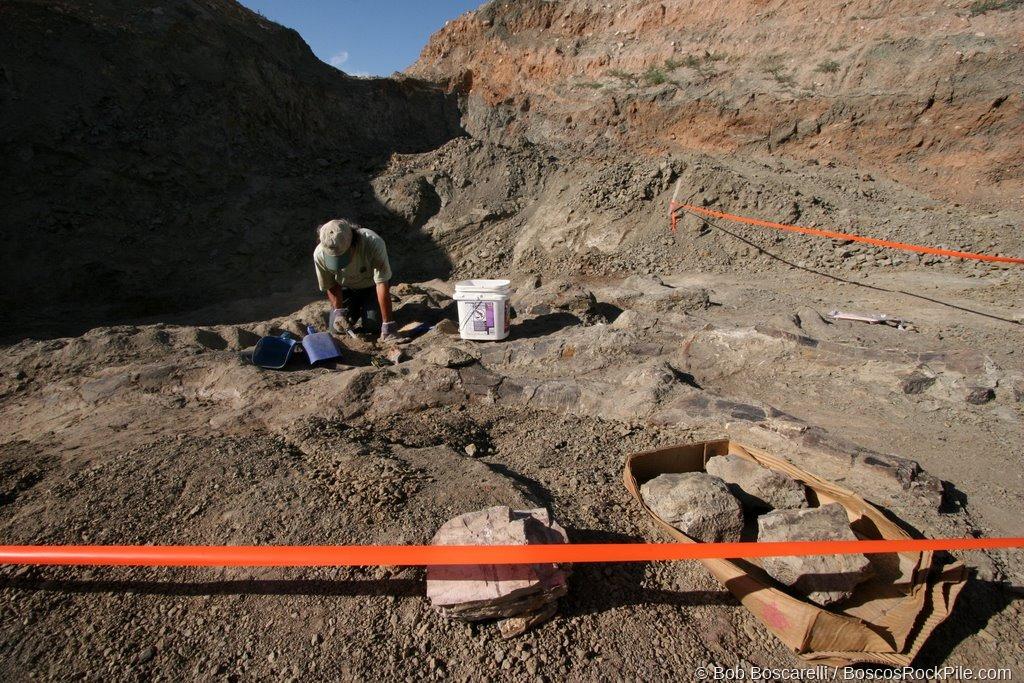
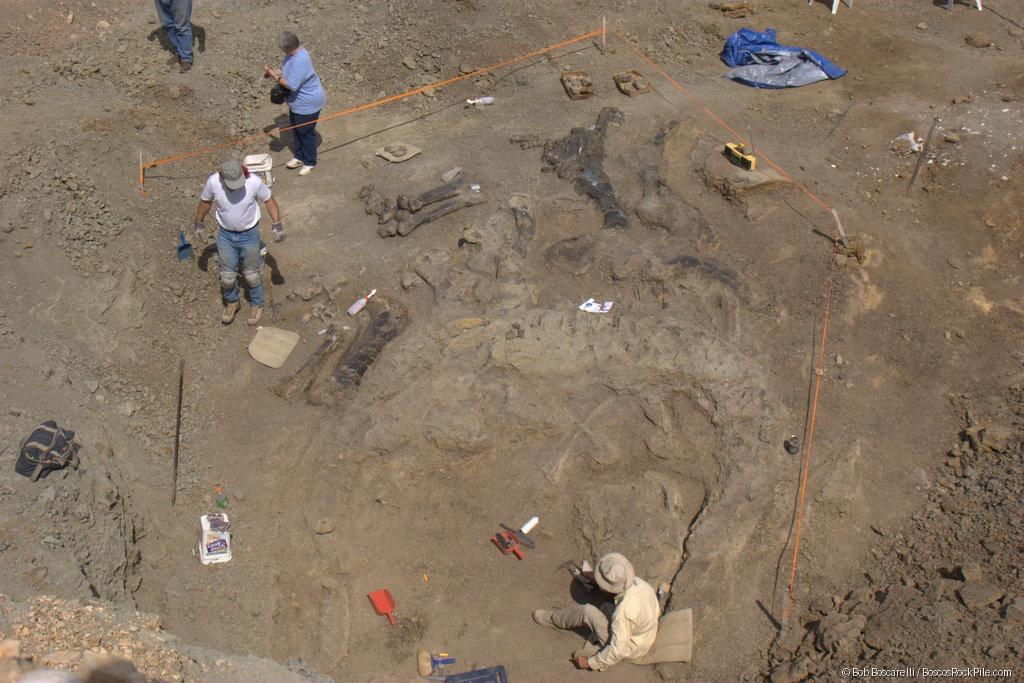
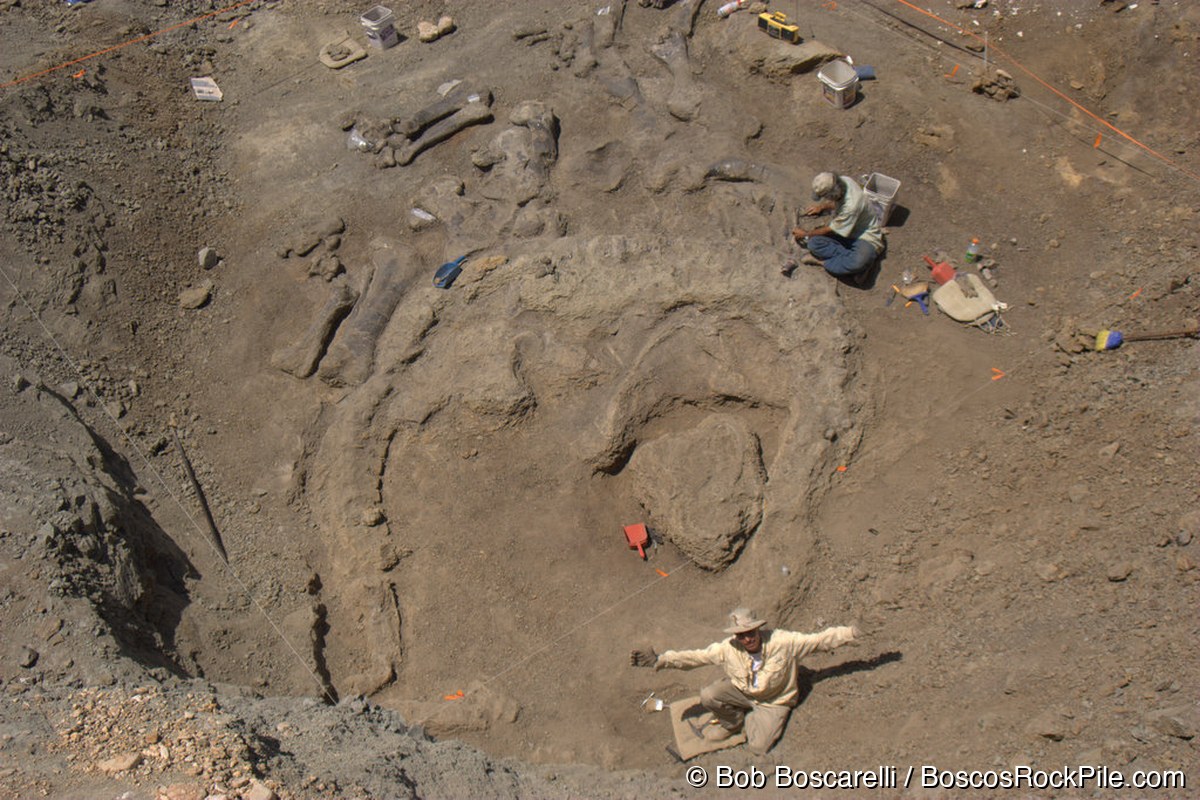
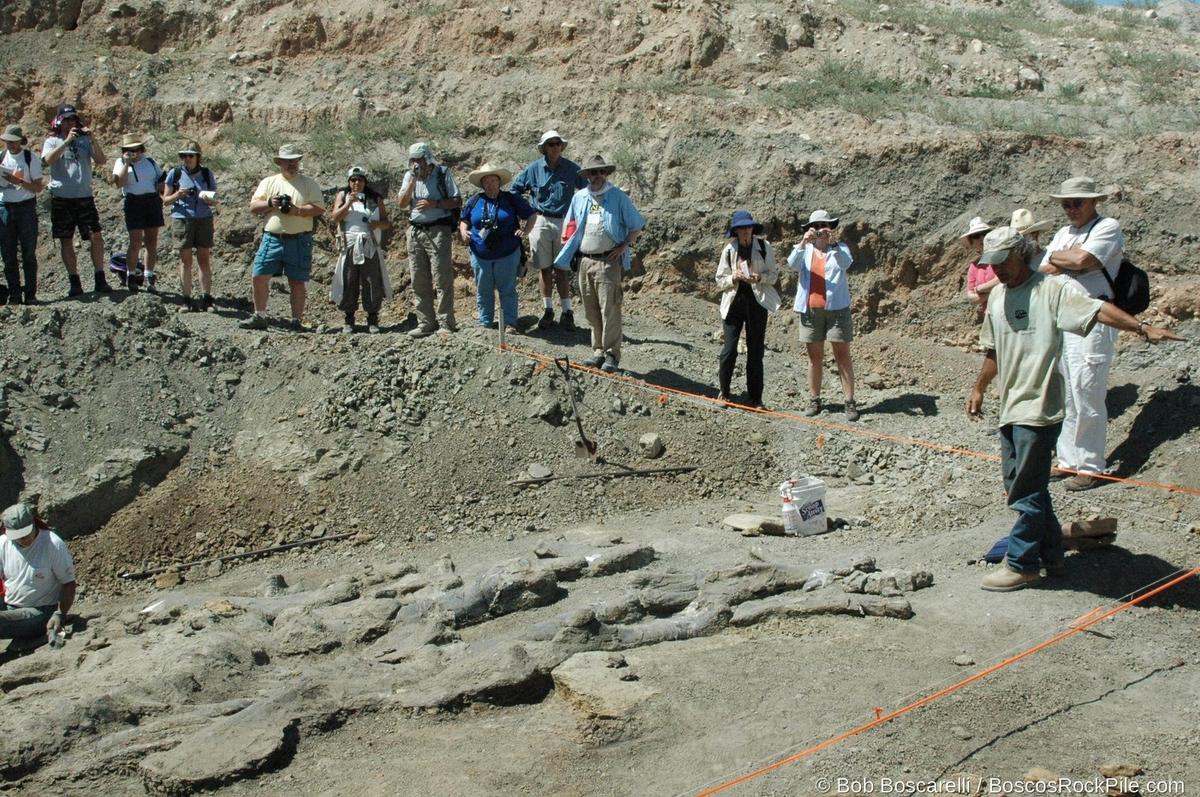
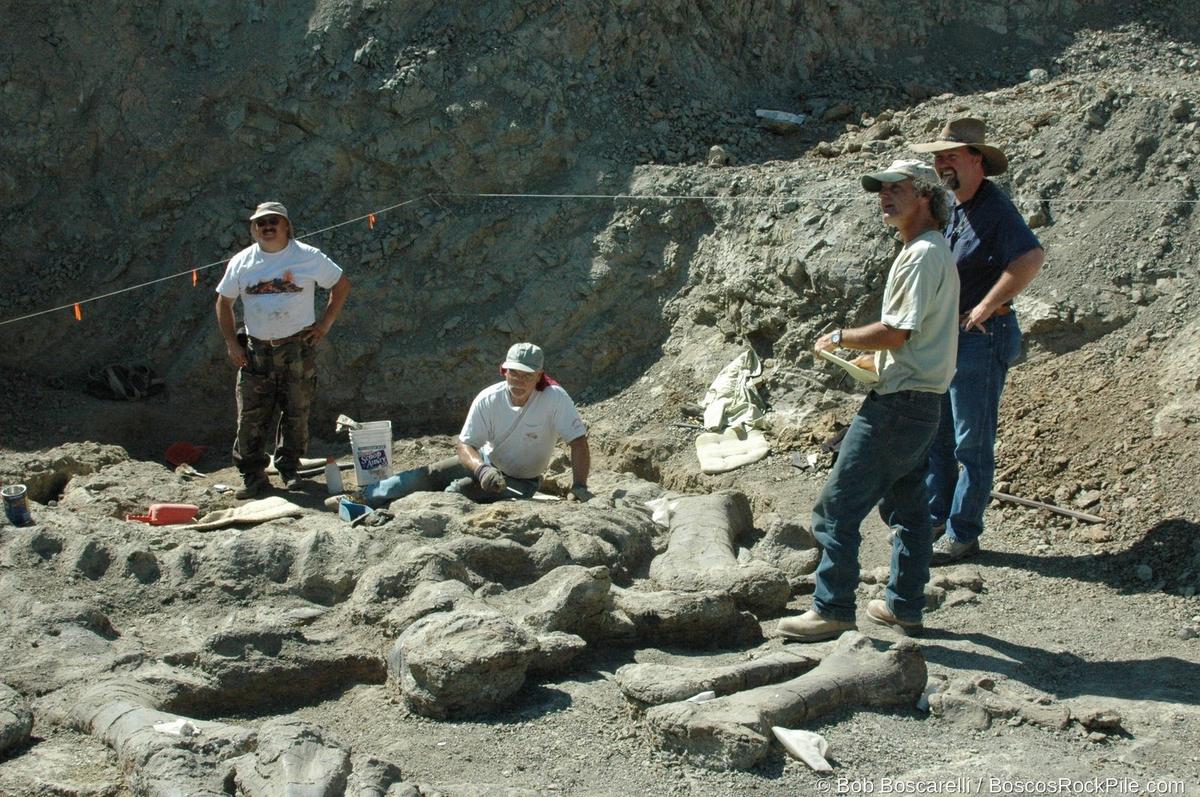
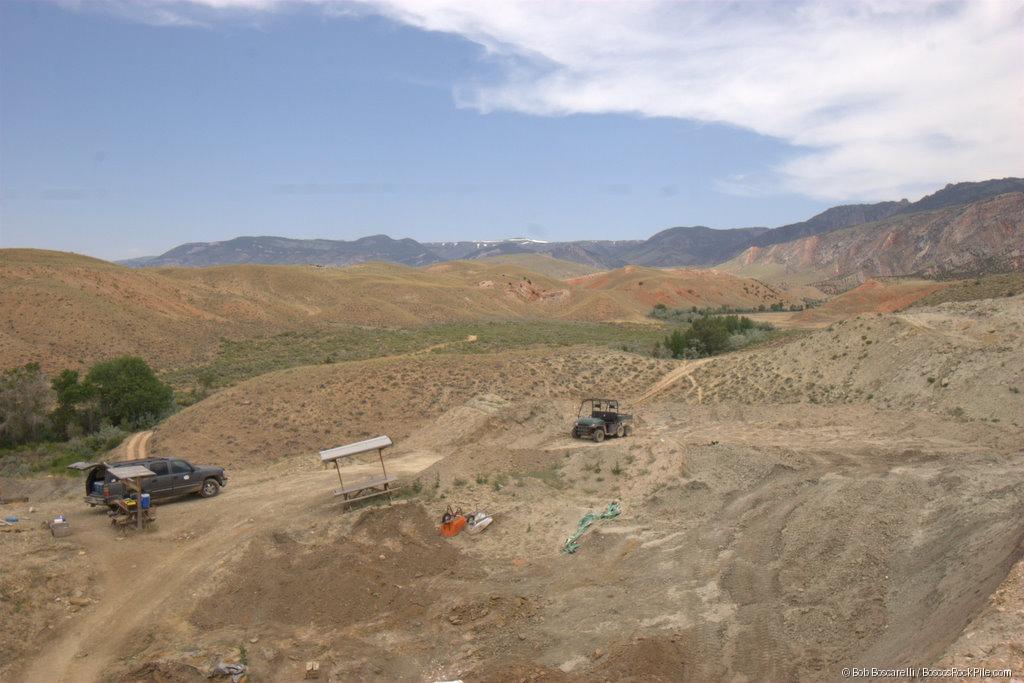
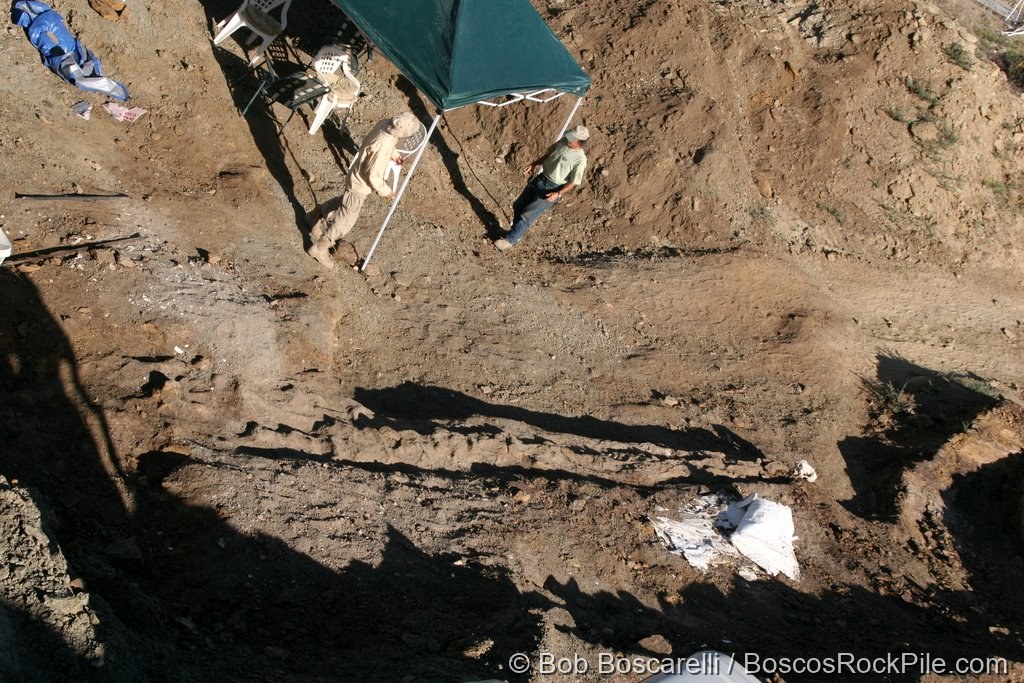
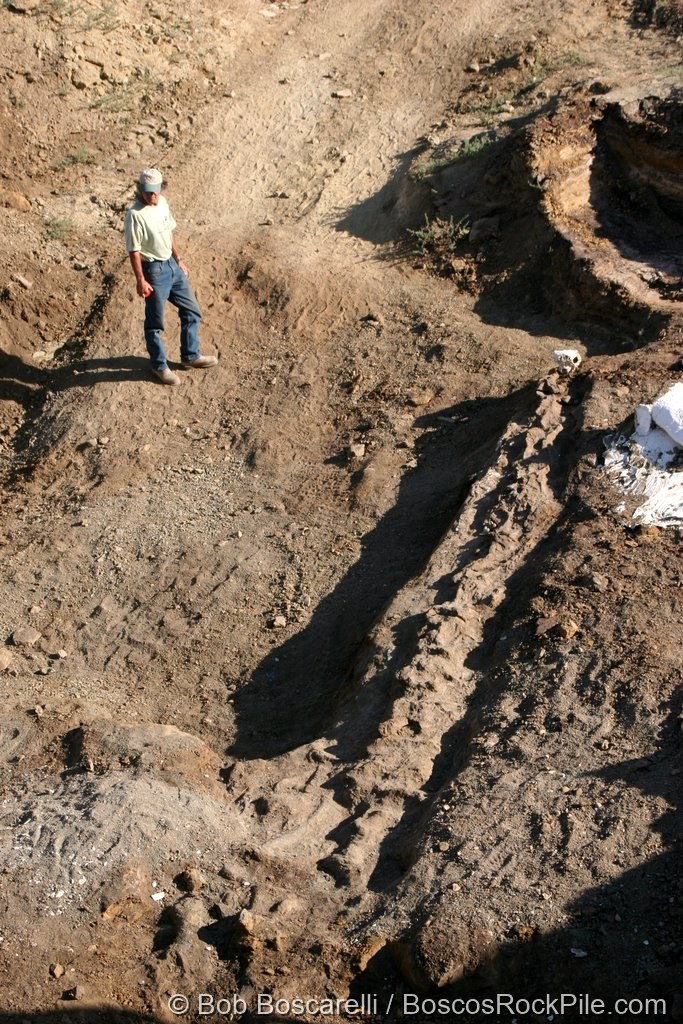
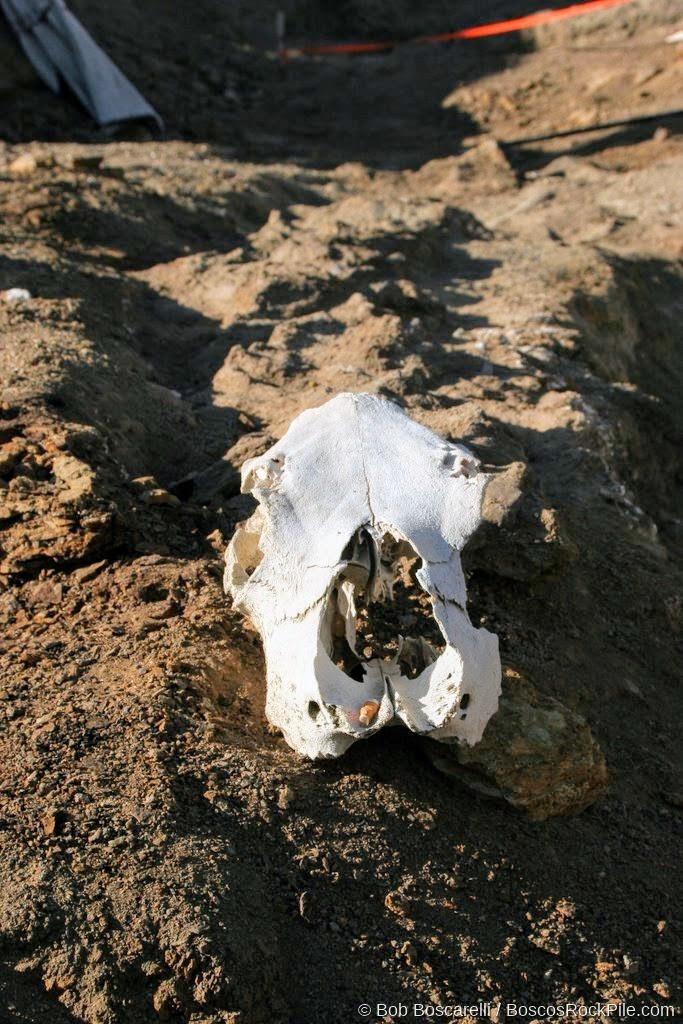
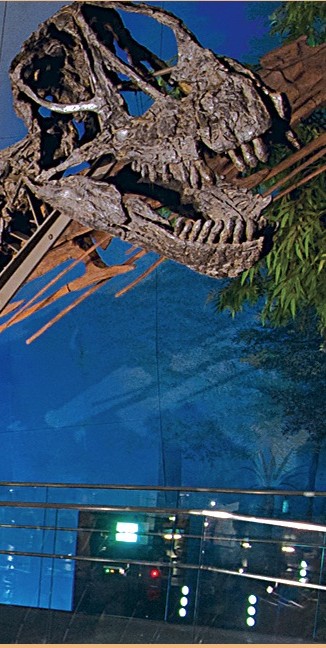
Image Licensing & Research Inquiries
Specimens and field photography from this archive are available for research, publication, and museum use. Get in touch to discuss licensing or collaboration.
Start a licensing inquiry