Field Research: Death Valley National Park
Death Valley sits at the intersection of geology, mineralogy, and deep time — making it one of the most compelling field research destinations in North America. At 282 feet below sea level, it is the lowest, hottest, and driest point in the United States, yet its exposed rock formations span nearly 1.8 billion years of Earth history.
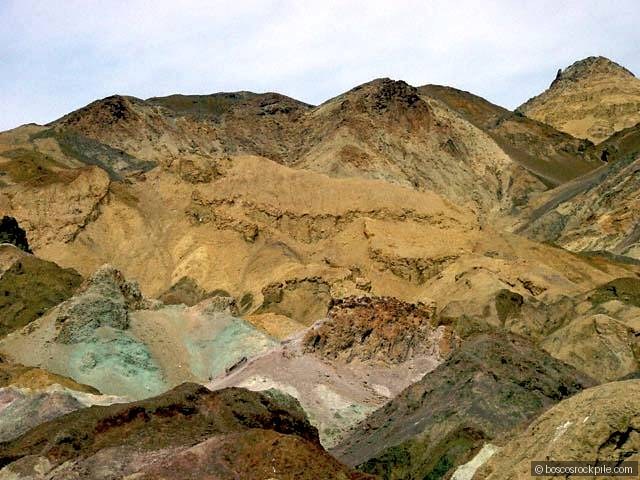
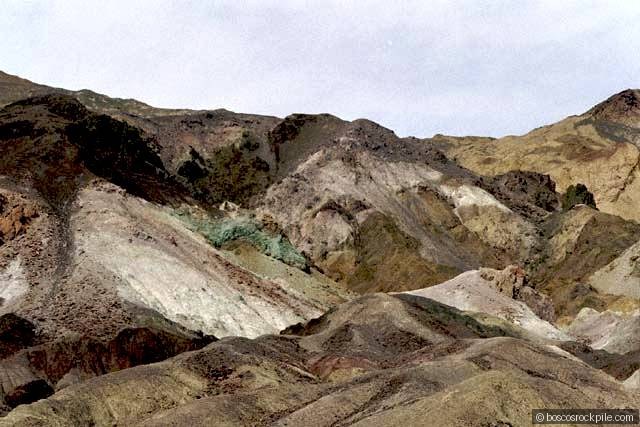
Artist’s Palette is the geological showpiece of the southern valley — a hillside painted by volcanic hydrothermal activity with iron oxides (reds, yellows, oranges), chlorite (greens), and manganese oxides (purples and blacks). These mineral deposits are a direct record of ancient volcanic activity and oxidation processes locked in the rock.
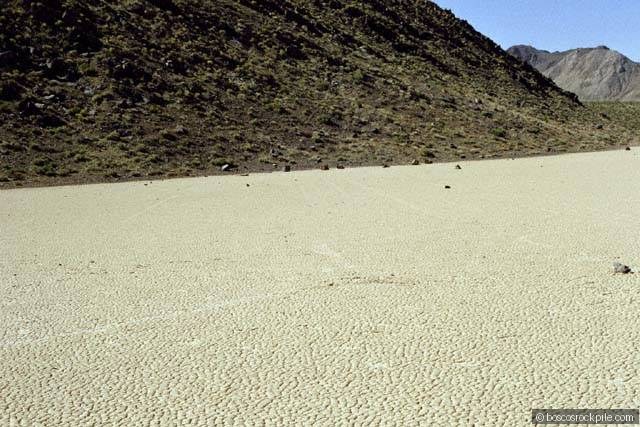
Racetrack Playa presents one of geology’s enduring puzzles: rocks that move across a dry lakebed, leaving long trails in the cracked mud. The phenomenon — now understood to involve rare thin sheets of ice and gentle wind — is a reminder that geological processes can be subtle, slow, and stranger than they appear.
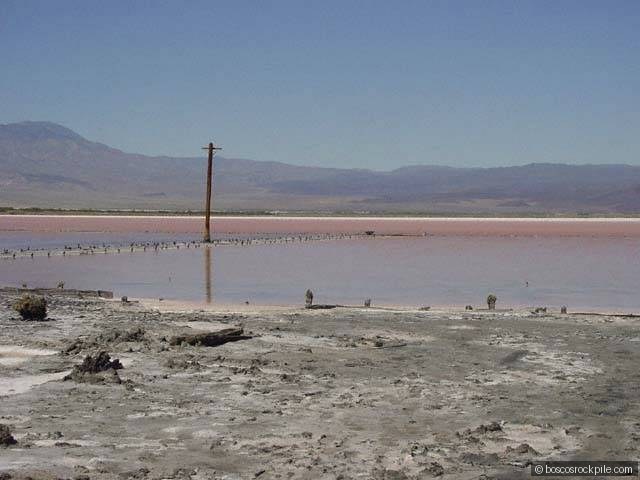
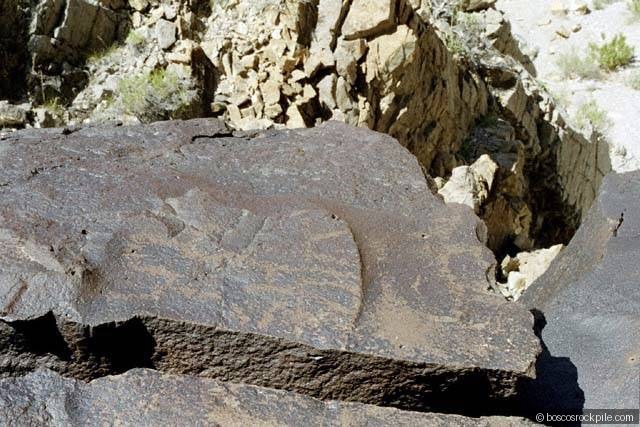
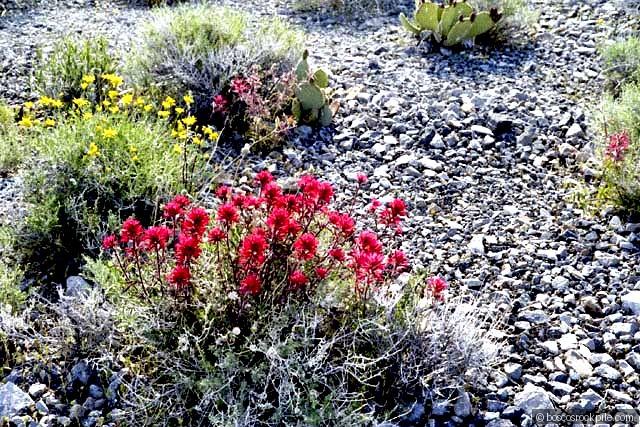
The Death Valley expedition also documented Native American petroglyphs carved into canyon walls, Badwater Basin salt flats, remnant telegraph infrastructure from the mining era, and a remarkable desert wildflower bloom in the rocky gravel washes.
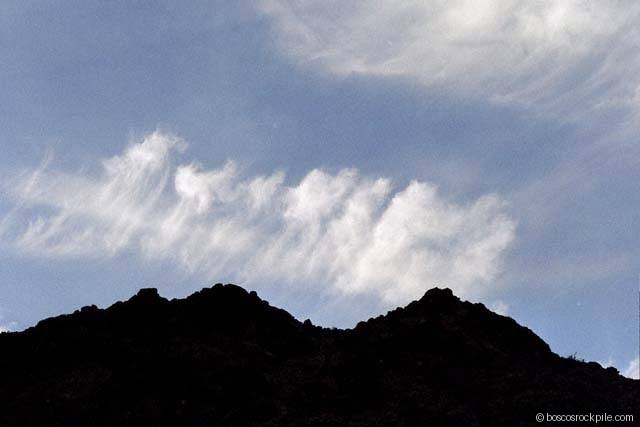
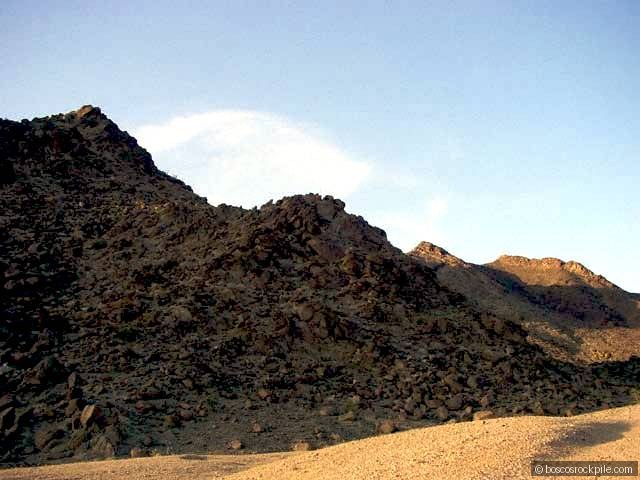
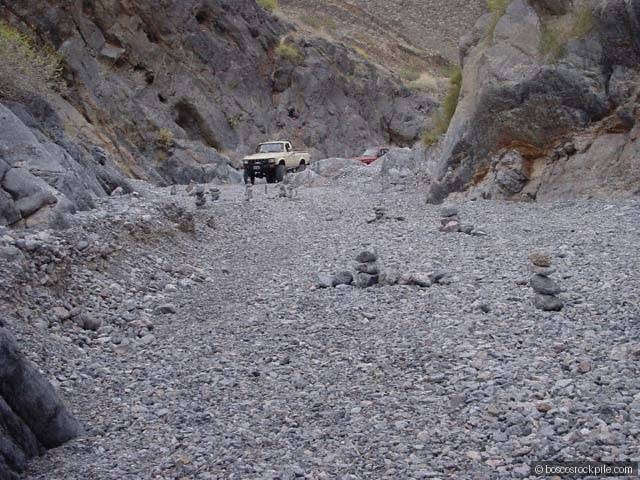
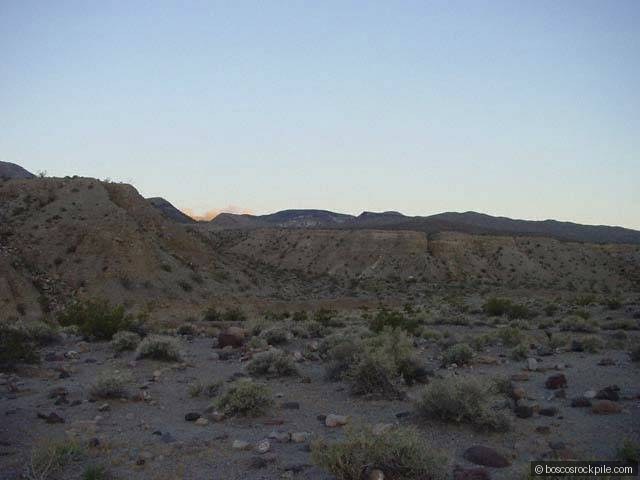
Photographic documentation spans both digital and film formats, covering geological formations, flora, archaeological features, and expedition logistics across multiple visits to the valley floor and surrounding mountain terrain.