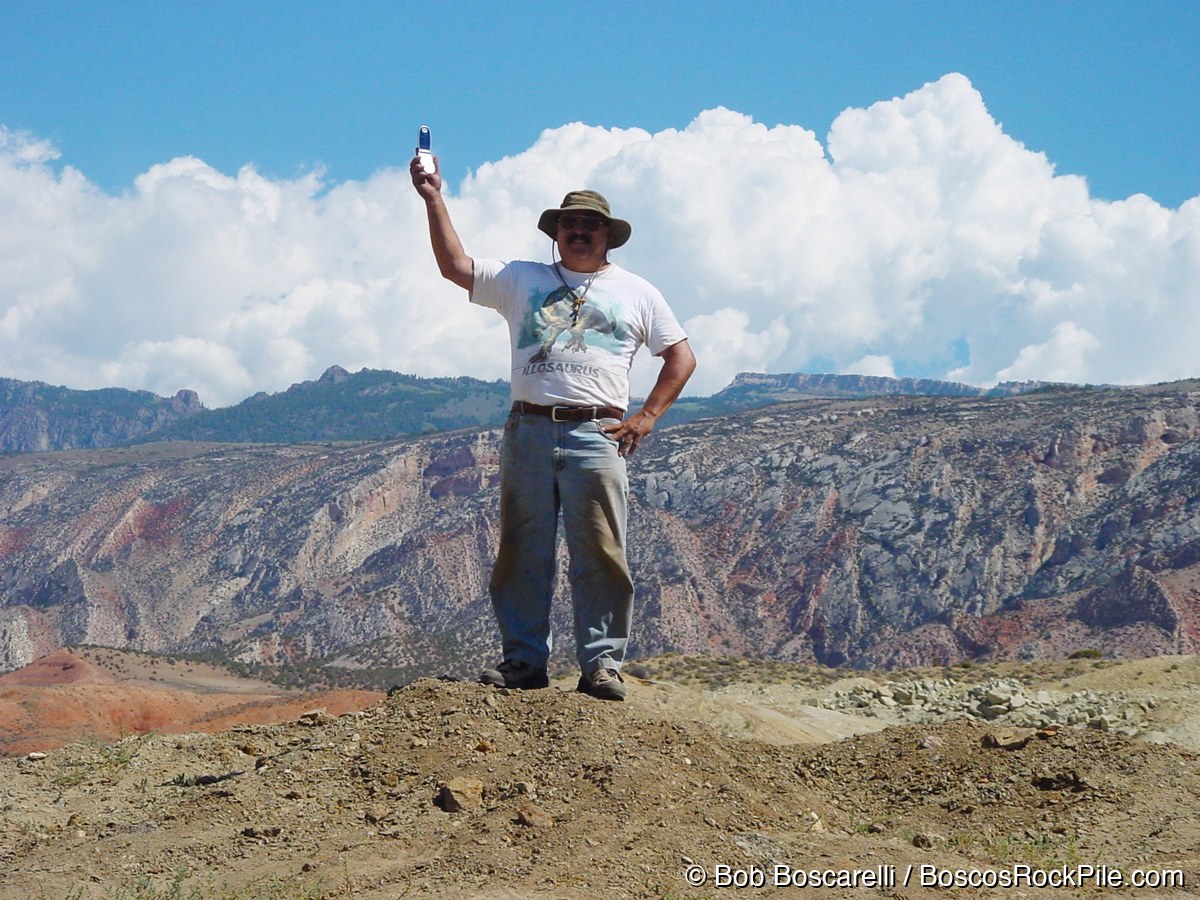
In the summer of 2004, I was part of the team that made the initial discovery of what would become one of the most significant Stegosaurus finds in paleontological history. The expedition was led by Kirby Siber of the Saurier Museum Aathal, Switzerland — a veteran of Wyoming’s Morrison Formation who had worked the famous Howe Quarry for years. When access to Howe Quarry fell through that season, Kirby redirected his team to a new site near Sundance, Wyoming. What we found there would eventually be known around the world as “Sophie.”
The first bones broke the surface in mid-July. I was there with the team as the initial excavation revealed plates, tail spines, and limb bones in the pale grey Morrison Formation matrix — lying exactly where they had settled 155 million years ago. At the time, none of us knew how complete the skeleton would turn out to be. The photographs on this page are my own field documentation from those first days of discovery.
Location: Sundance, Wyoming | Formation: Morrison Formation | Age: Late Jurassic (~155–145 Ma) | Season: July 2004
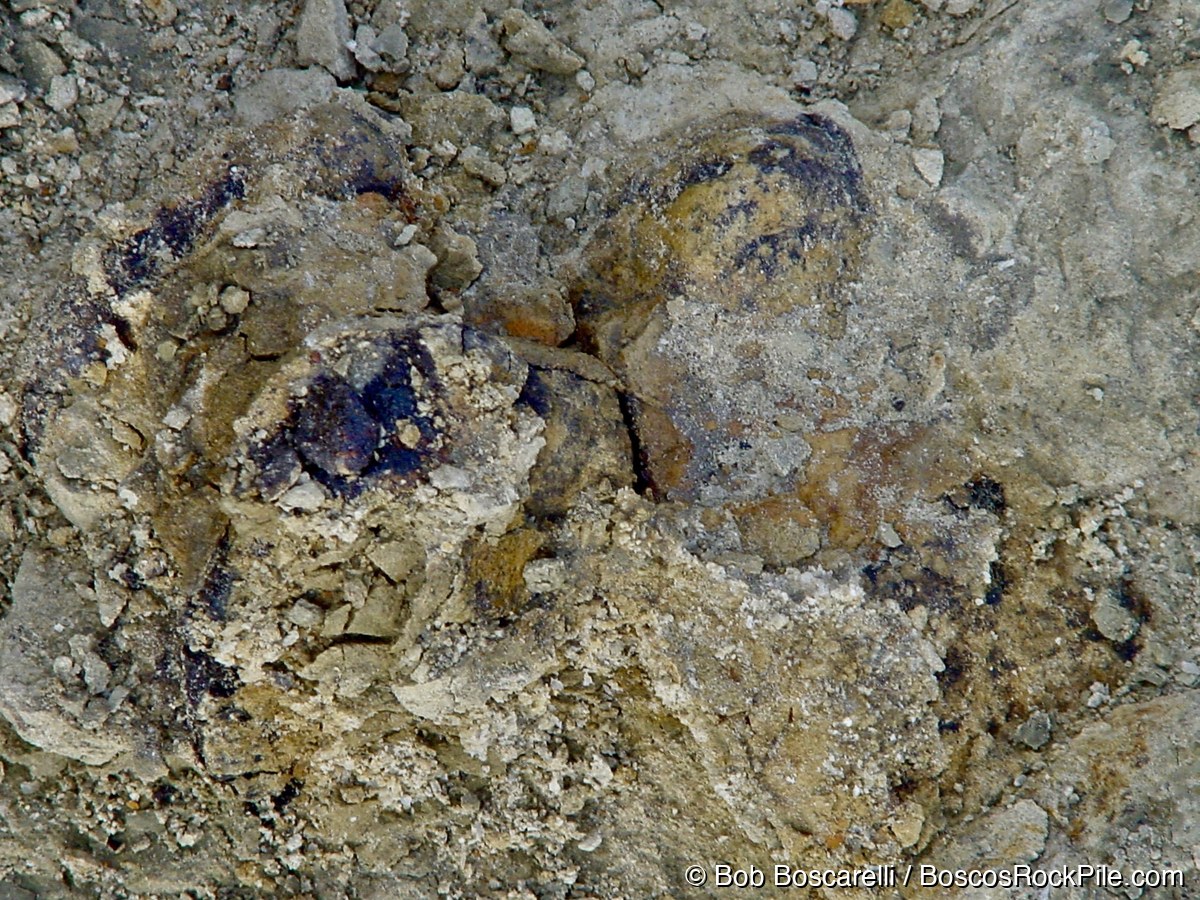
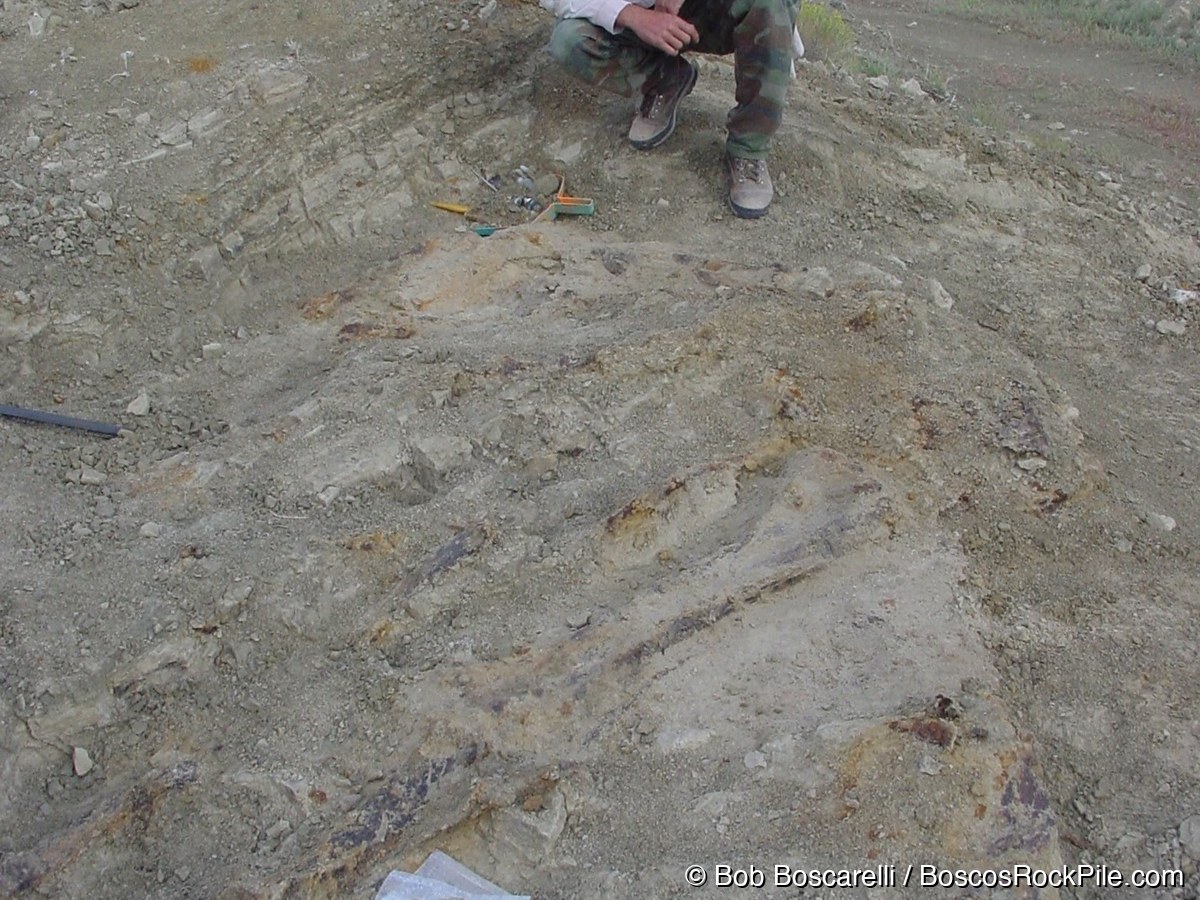
These photographs document the initial exposure of the Sophie skeleton — the first fossil material to emerge from the Morrison matrix in July 2004. The plates and tail spines were among the earliest elements identified, confirming what the team had hoped: this was a Stegosaurus, and it was large.
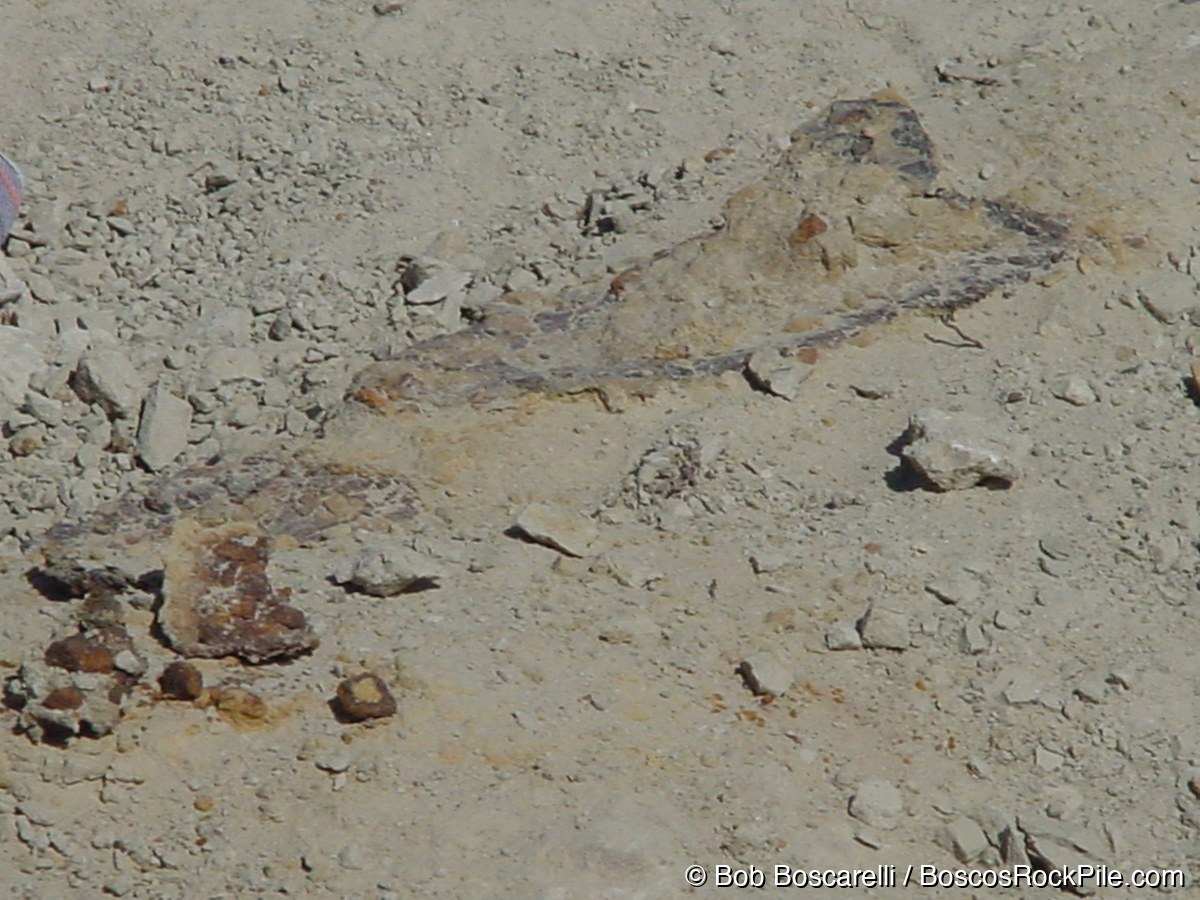
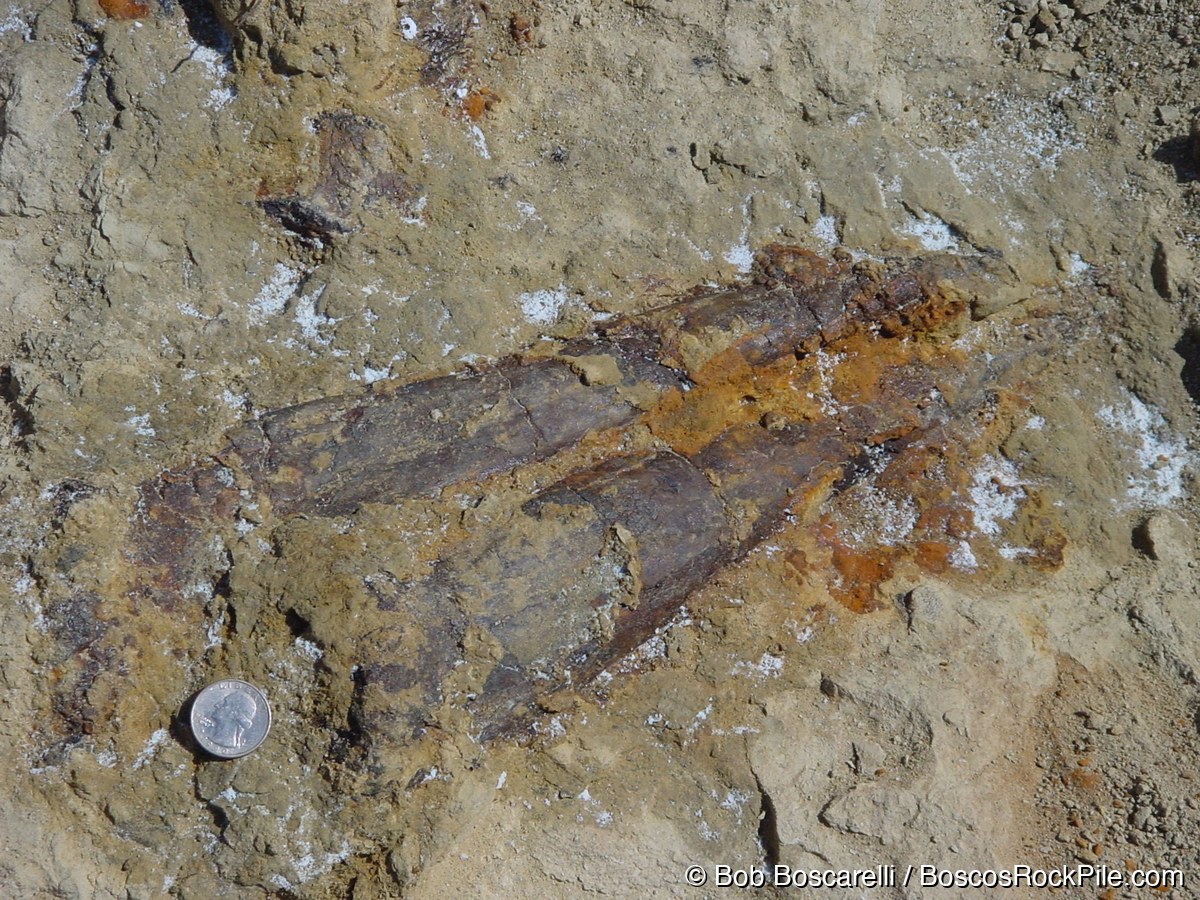
Close-range ground documentation of bone elements at the quarry floor, and a wide-angle view showing the scale of the find as it began to emerge. The deep blue-purple mineralization of the bone against the pale grey matrix is characteristic of Morrison Formation preservation chemistry.
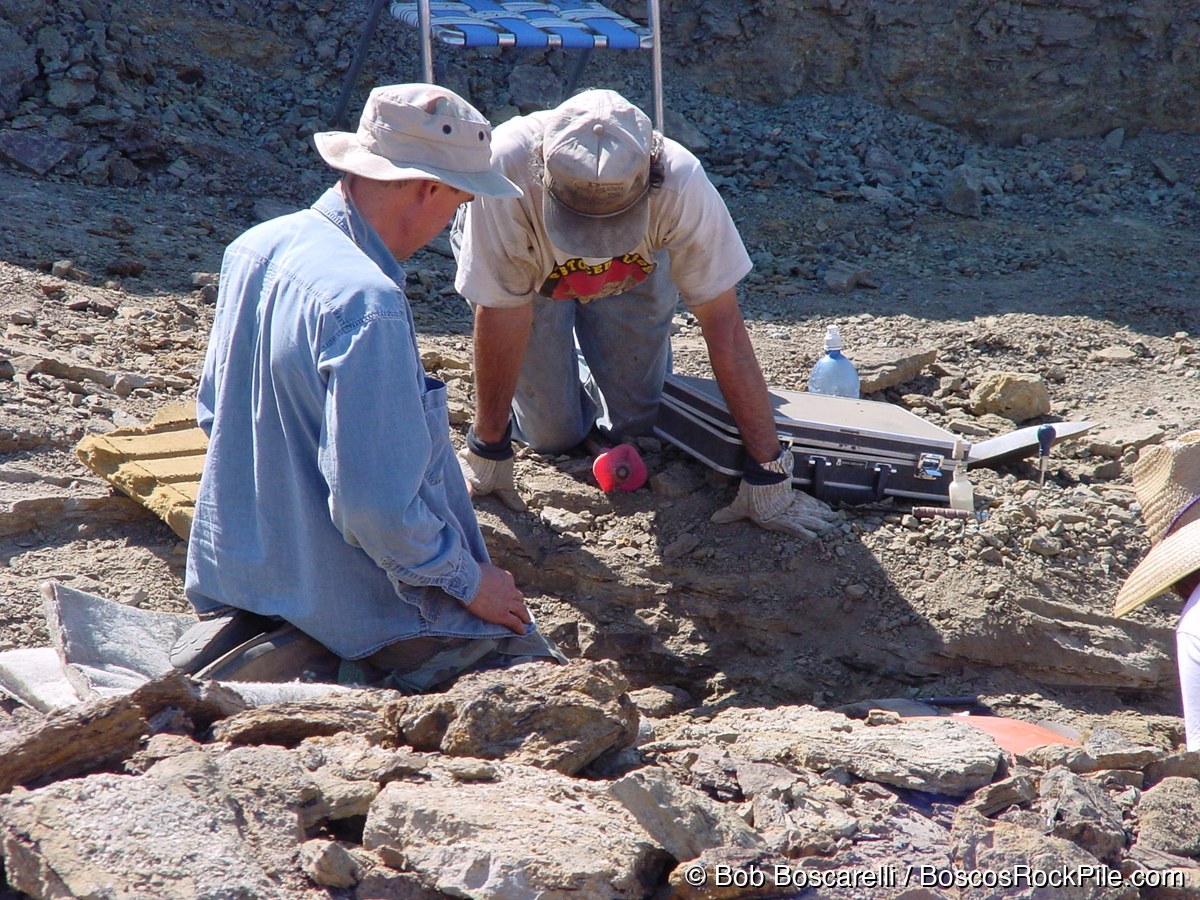
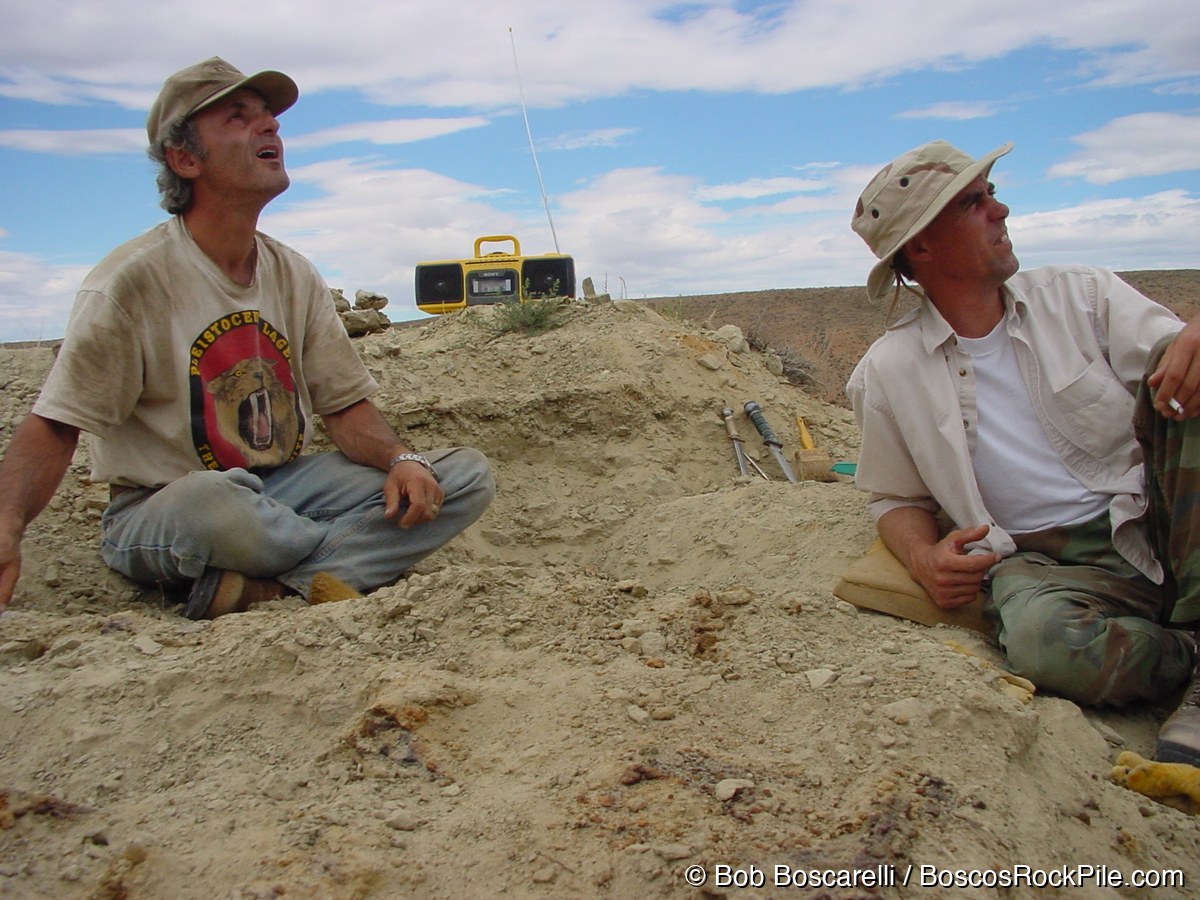
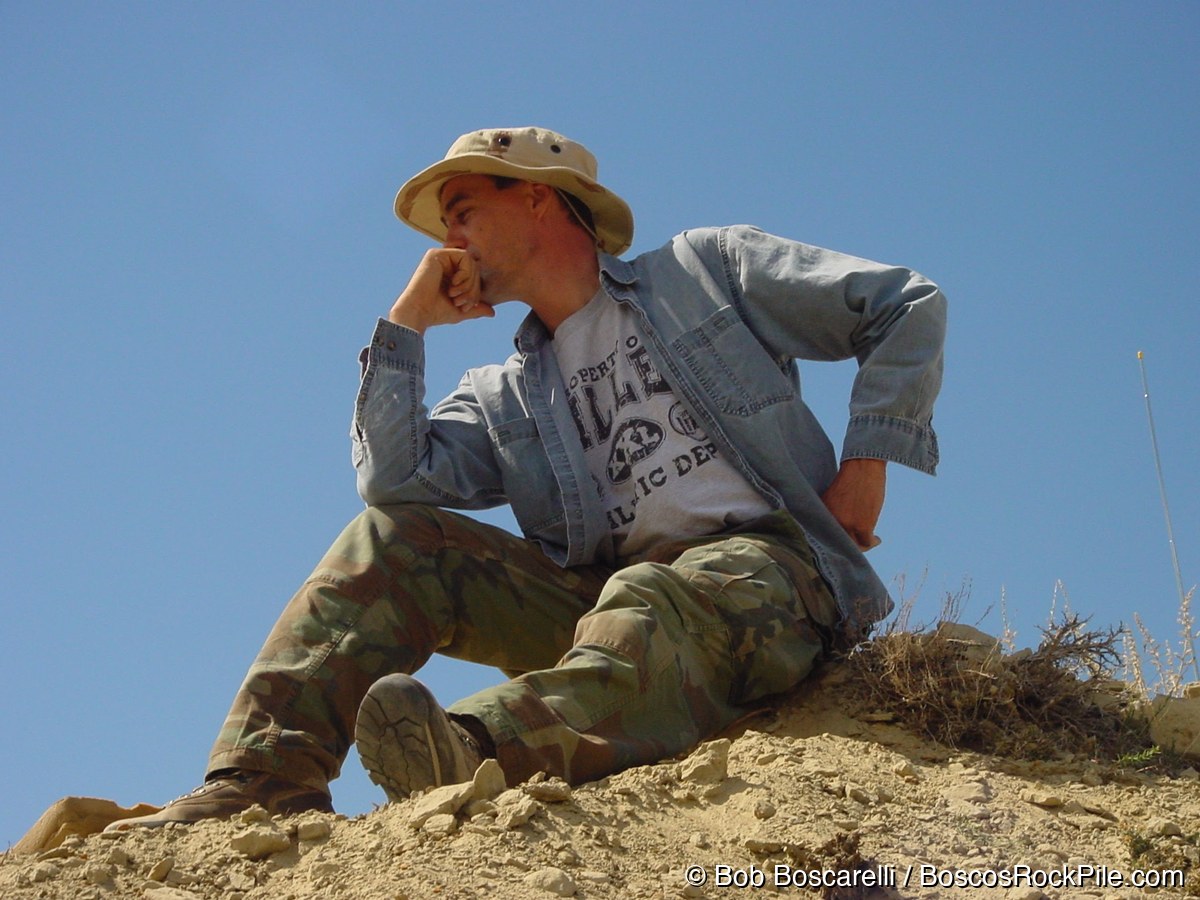
A dig like this runs on fieldwork, patience, and the people willing to spend their days in the Wyoming sun with a brush and an airscribe. These photographs capture the team at work and at rest during the 2004 season.
Stegosaurus was a large herbivorous dinosaur of the Late Jurassic, living approximately 155–150 million years ago. The genus is recognizable by its distinctive double row of tall diamond-shaped dorsal plates and the paired spikes at the end of the tail — the “thagomizer.” Adults could reach 9 meters in length and weigh up to 5 tons. Complete articulated Stegosaurus specimens are exceptionally rare; most museum mounts are composites from multiple individuals.
The specimen discovered here in 2004 would prove to be something extraordinary. When Kirby Siber’s team returned in 2007 for a full professional excavation, they recovered over ninety percent of the skeleton in near-perfect articulation — the bones lying exactly where the animal had fallen 155 million years ago. The specimen was acquired by the Natural History Museum, London, where it is displayed today as “Sophie” — one of the most complete and scientifically important dinosaur skeletons in the world.
Three years after this initial discovery, Kirby Siber’s team returned to complete the excavation. I was there for that season too, documenting the full recovery of the Sophie skeleton from the same Morrison Formation bone bed first exposed in these 2004 photographs. The complete story of the 2007 excavation — including a visit from paleontologist Paul Sereno — is documented on a separate page.
→ Sophie the Stegosaurus — Wyoming Excavation 2007
All photographs on this page are my own field documentation images from the July 2004 initial discovery dig at Sundance, Wyoming. These images represent some of the earliest photographic documentation of the specimen later known as Sophie — photographed on the day the bones first broke the surface. These photographs document the specimen now on permanent display at the Natural History Museum, London — among the earliest field photographs of Sophie in existence. High-resolution archival files are available for scientific publications, museum exhibition, documentary production, and fine art printing.
For licensing inquiries or research access, please use the contact form. Include “Sophie 2004” in your subject line and specify intended use and resolution requirements.