Media Gallery
Twenty years of fieldwork across Wyoming’s Morrison Formation, California’s earthquake country, and beyond. All photographs © R.L. Boscarelli.
The Stegosaurus — Sarah (Sophie)
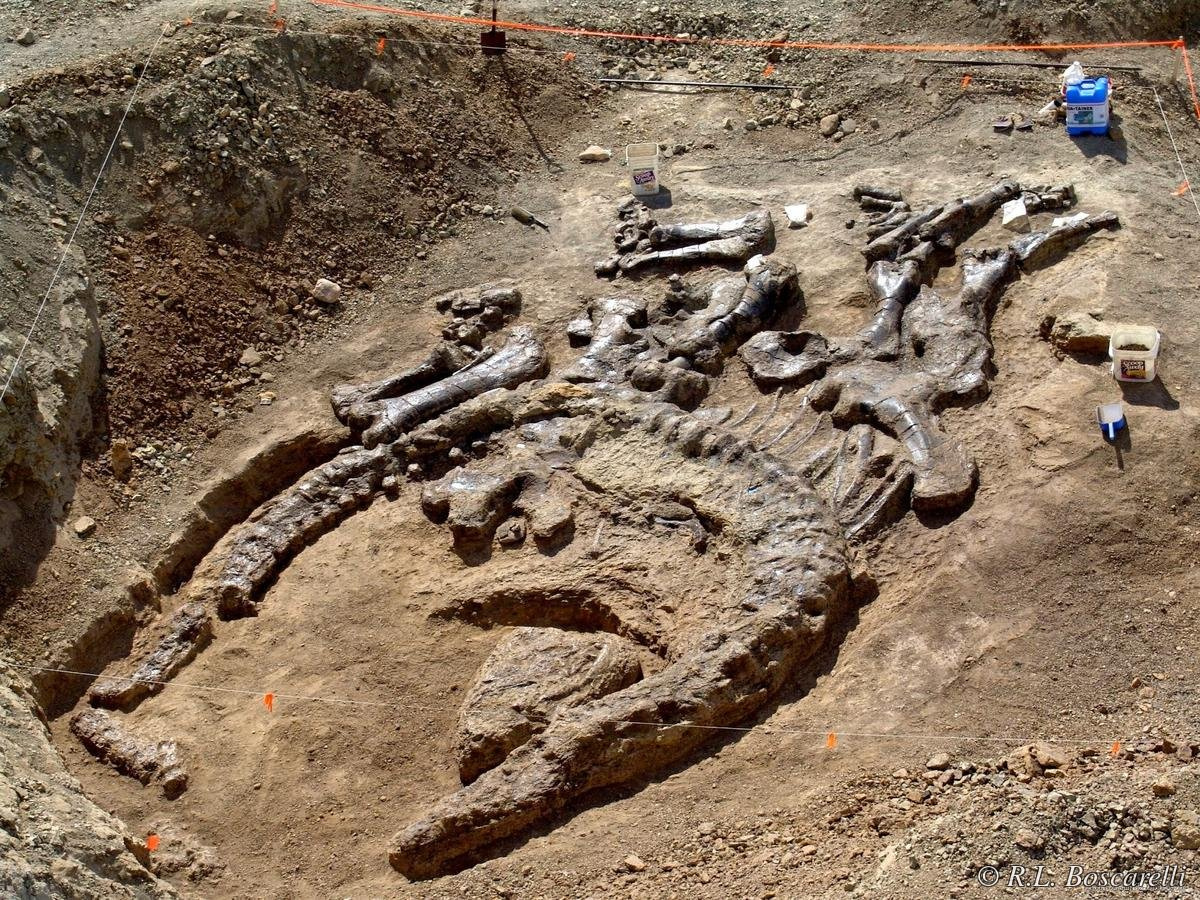
A single Stegosaurus — one animal, two names. Known in the field as ‘Sarah’ and later renamed ‘Sophie’ in London, where the specimen is now on permanent display at the Natural History Museum. Excavated from the Morrison Formation of Wyoming (Late Jurassic, ~150 Ma).
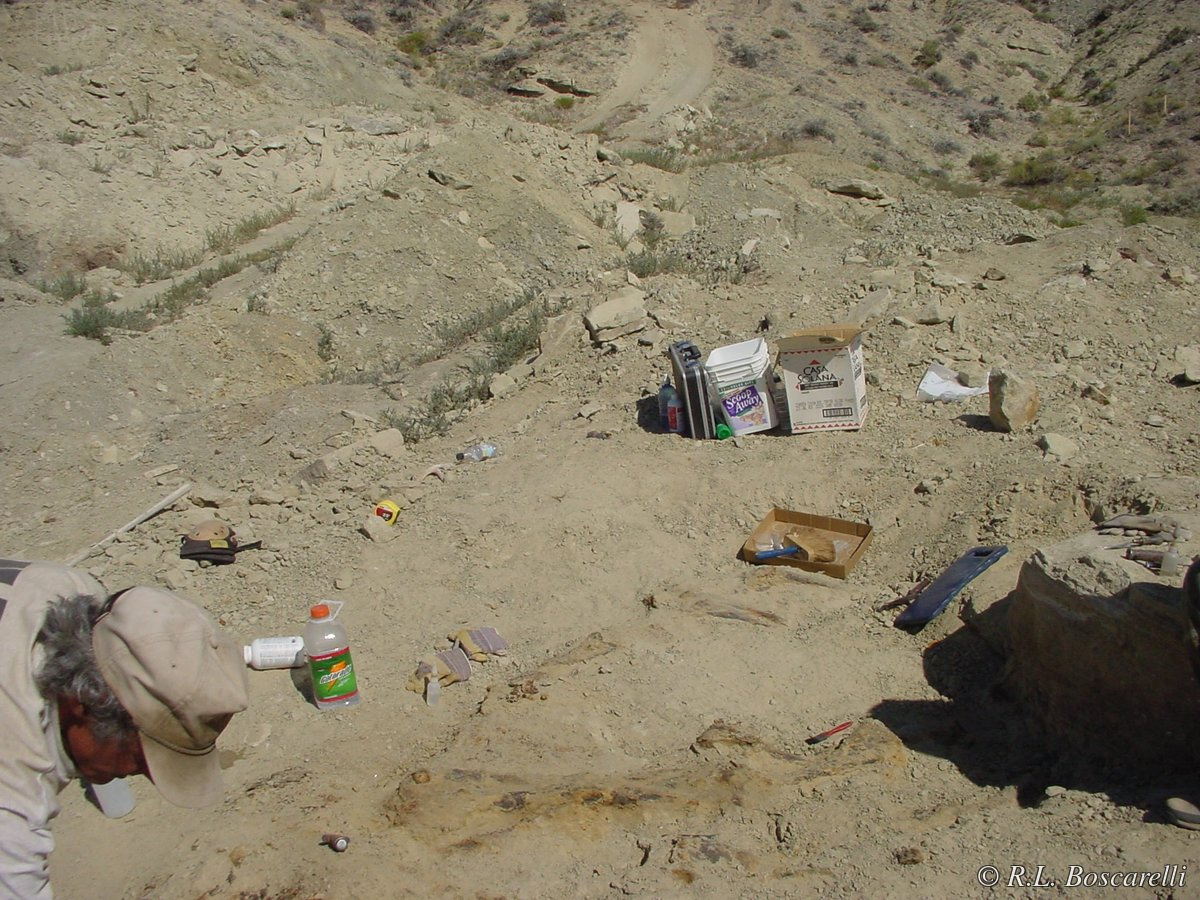
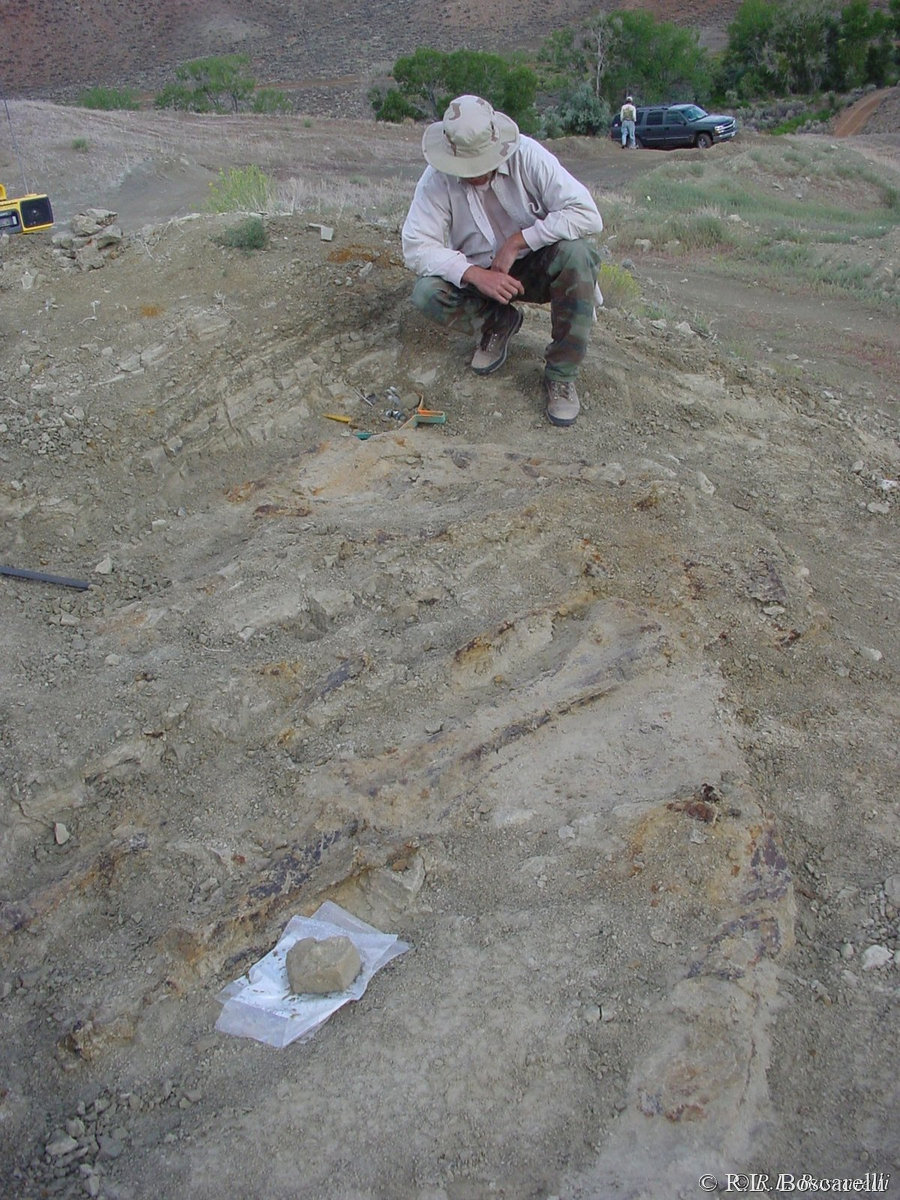
Sauropod Excavations — Shell, Wyoming
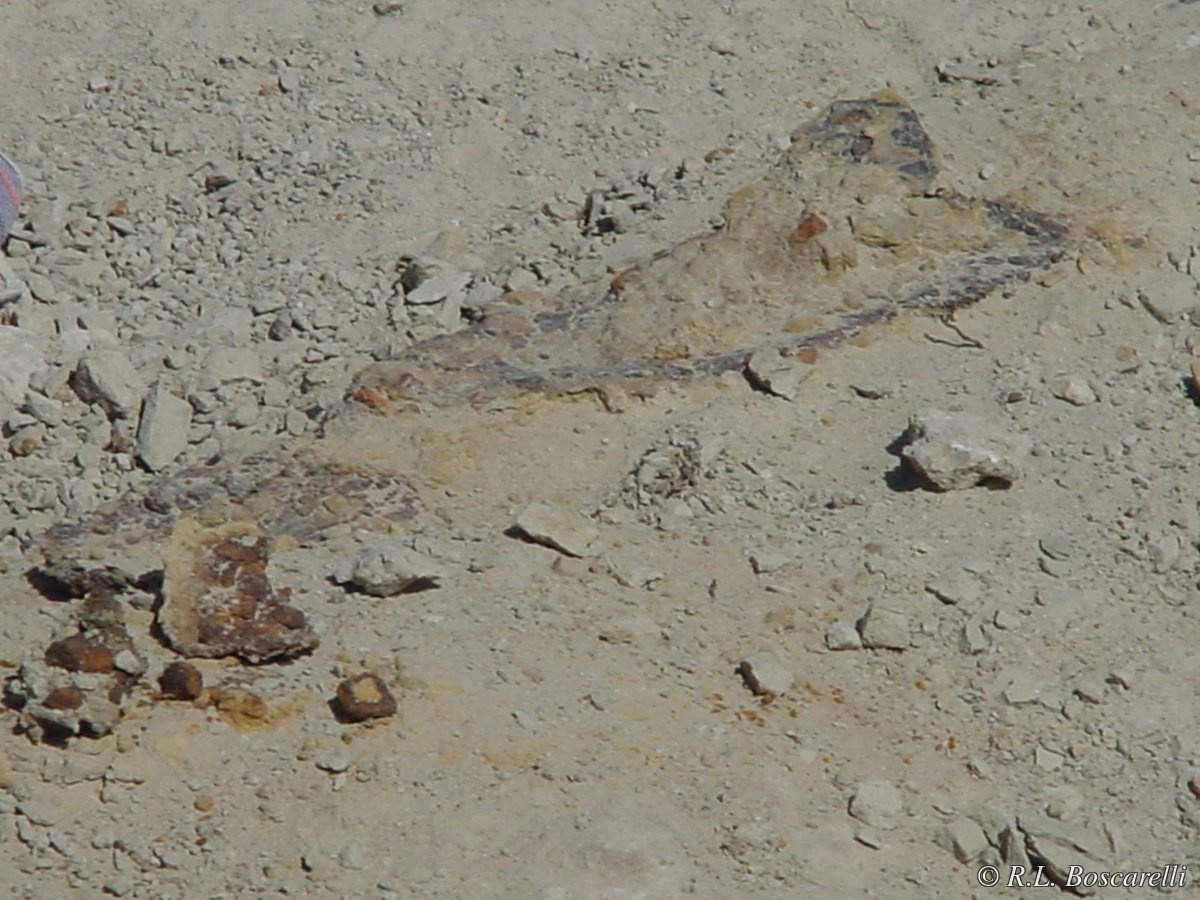
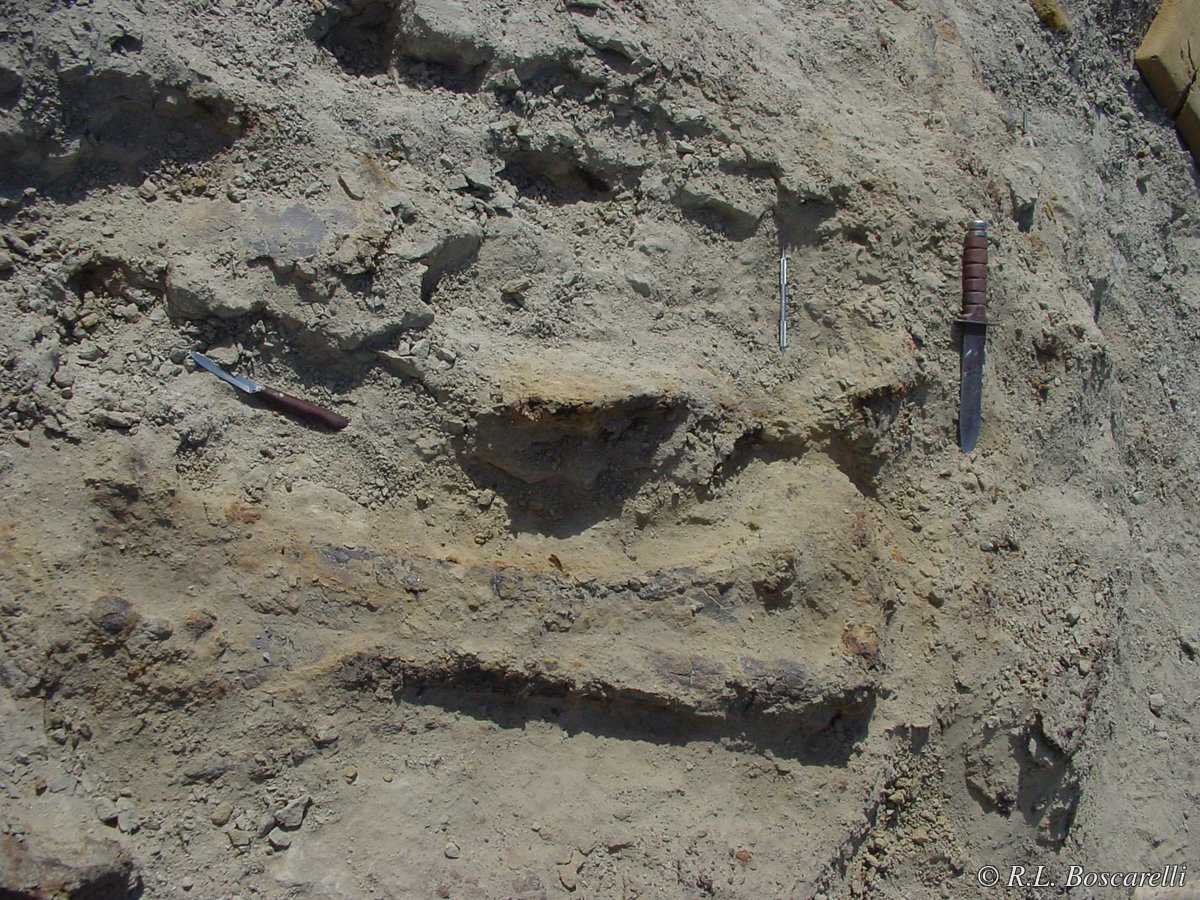
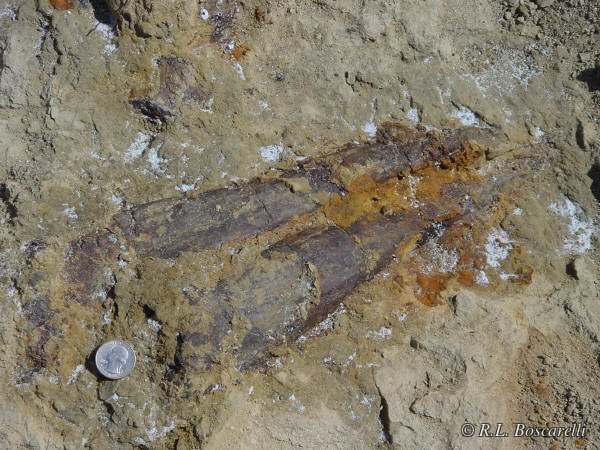
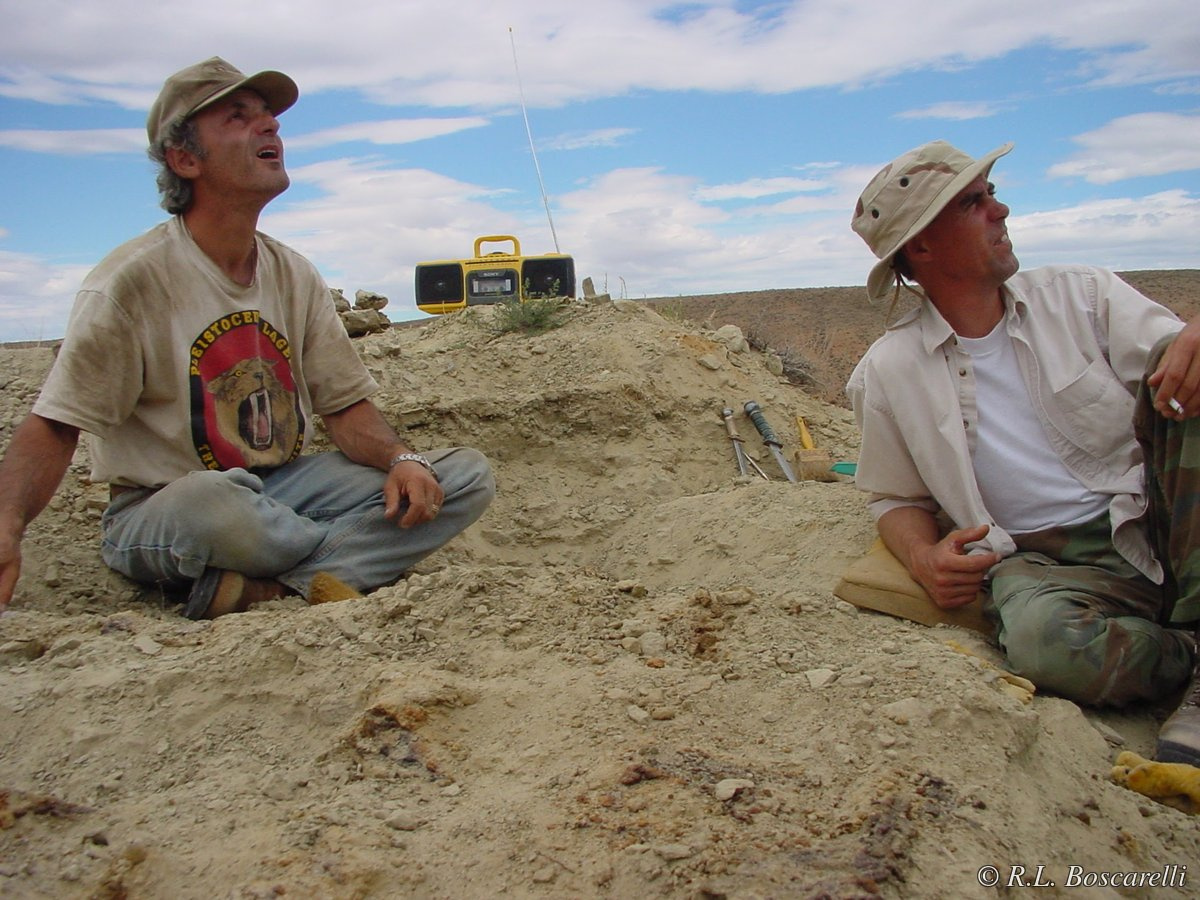
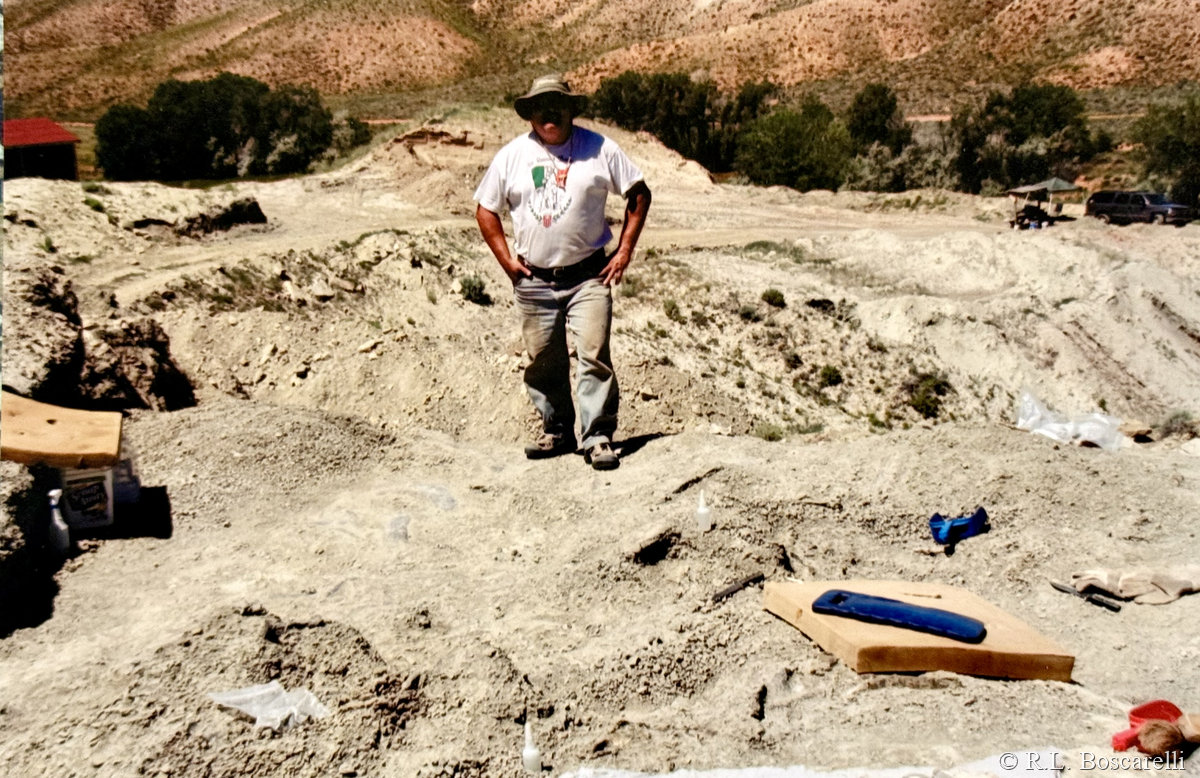
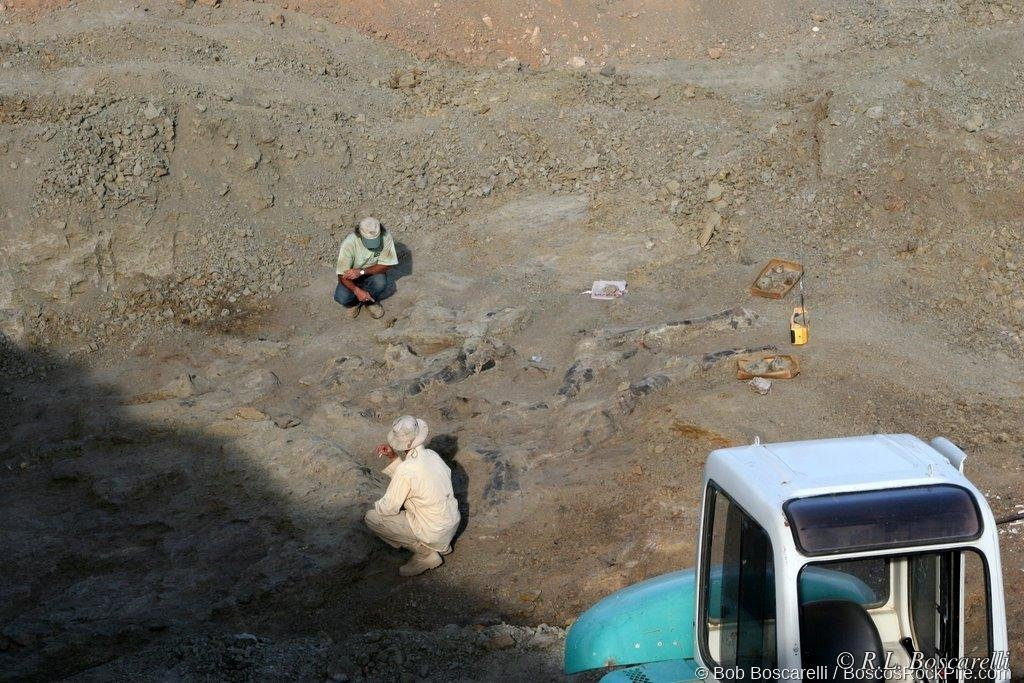
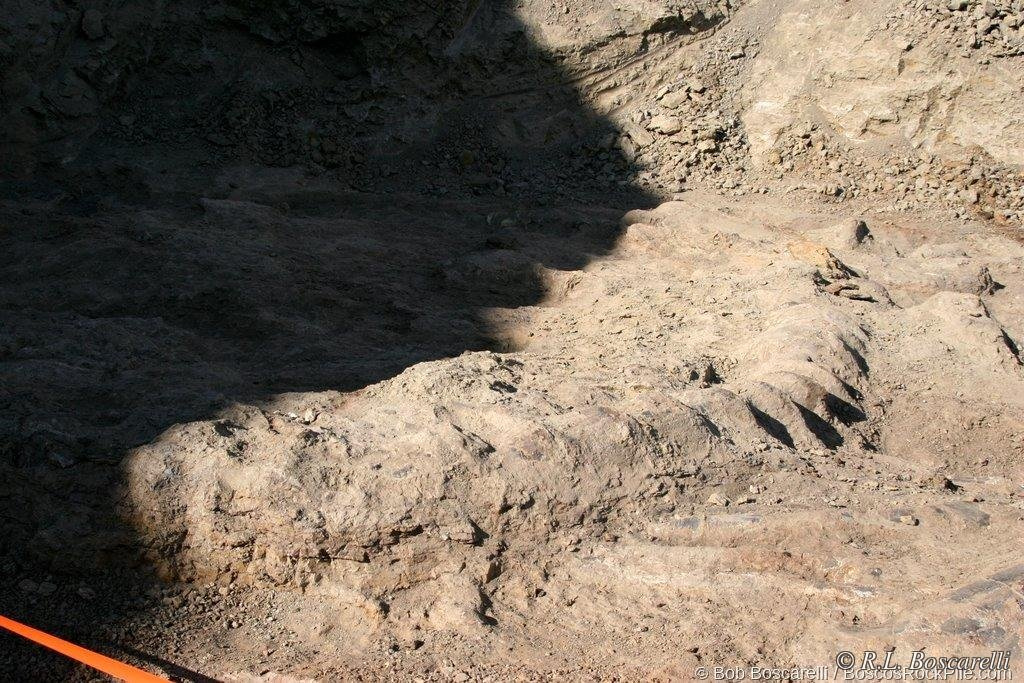
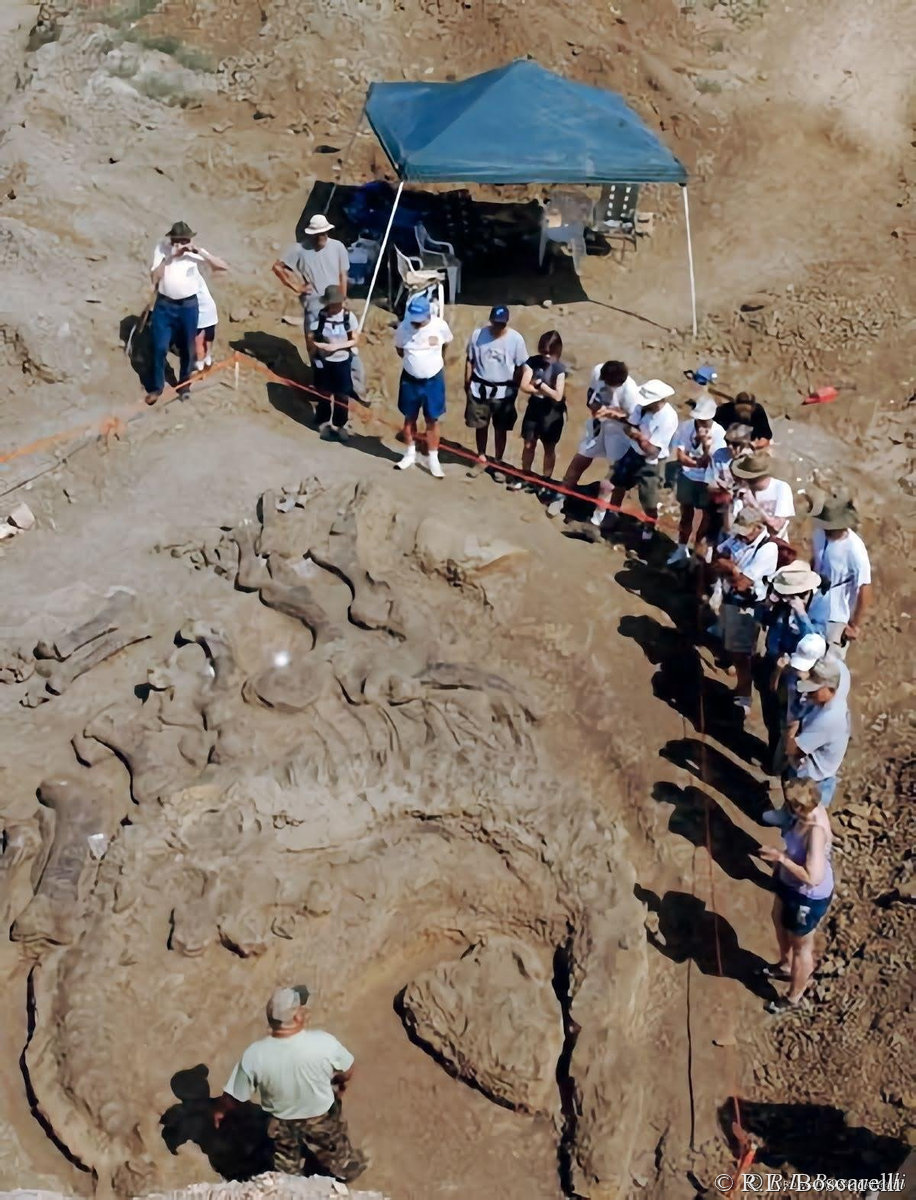
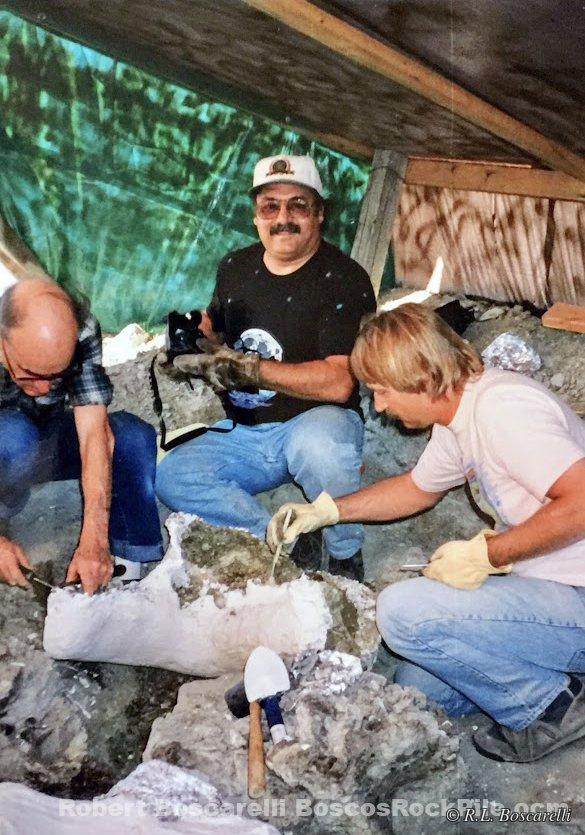
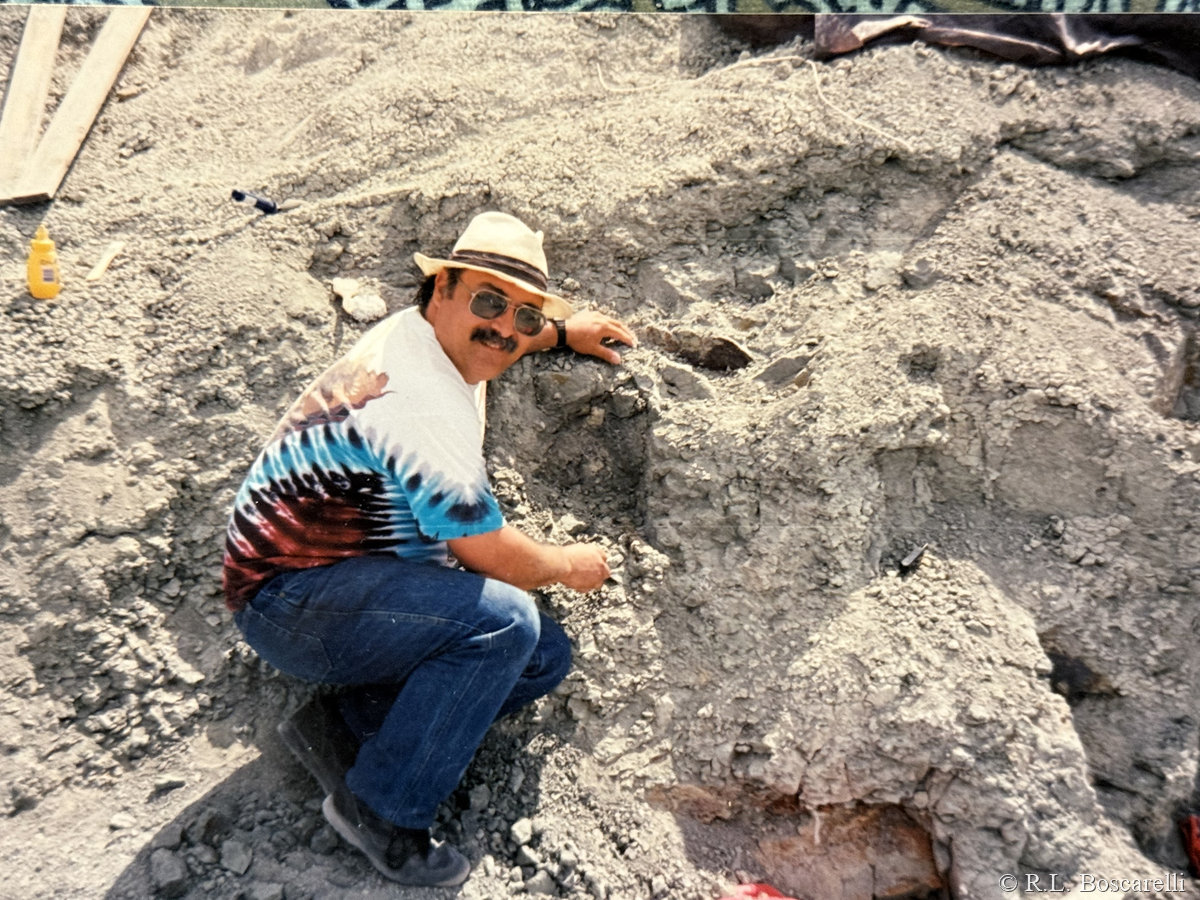
Field work at the Shell Wyoming quarry in Bighorn County, Wyoming. This site yielded an articulated Camarasaurus skeleton — now held at the Fukui Prefectural Dinosaur Museum, Japan — along with shed Diplodocus teeth.
Como Bluff, Wyoming
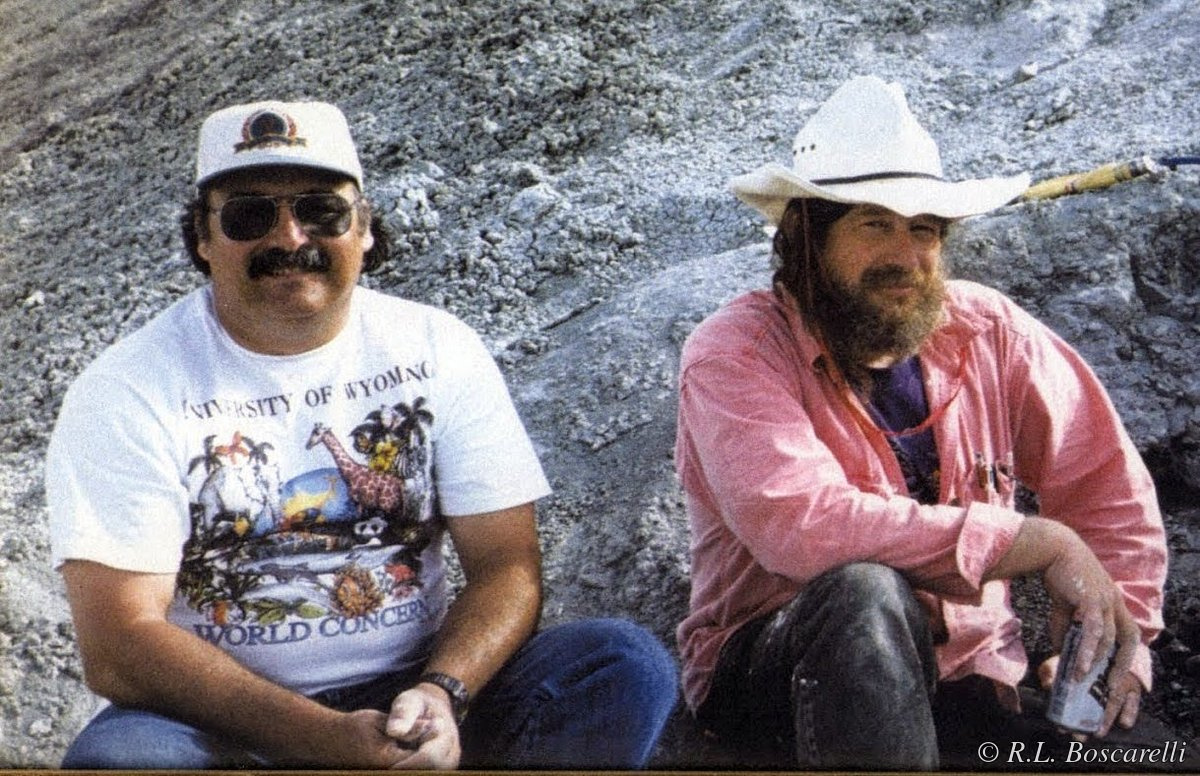
Como Bluff in the Medicine Bow Mountains of Wyoming — one of the most historically significant dinosaur fossil localities in North America. Bosco worked here alongside Dr. Robert T. Bakker in the 1990s. Morrison Formation (Late Jurassic).
Earth Science & Seismology
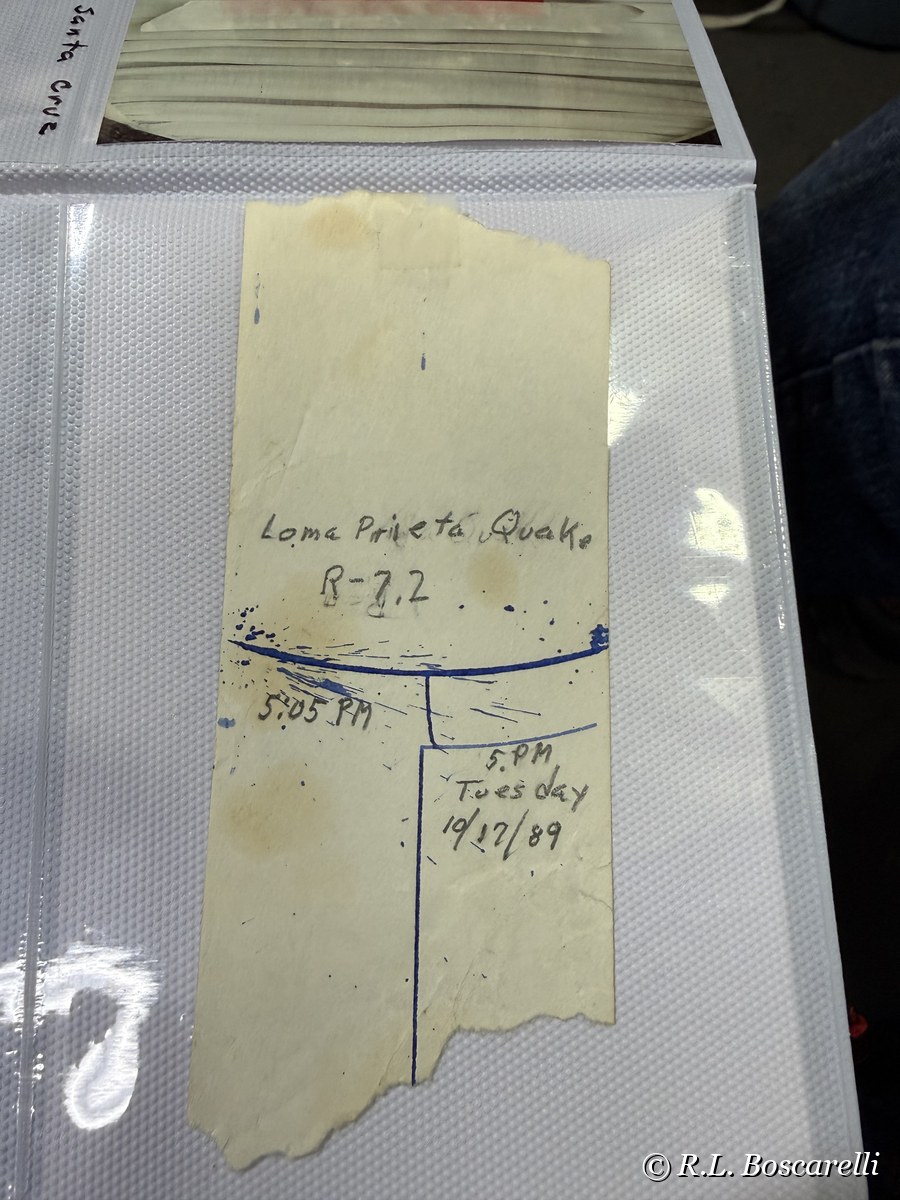
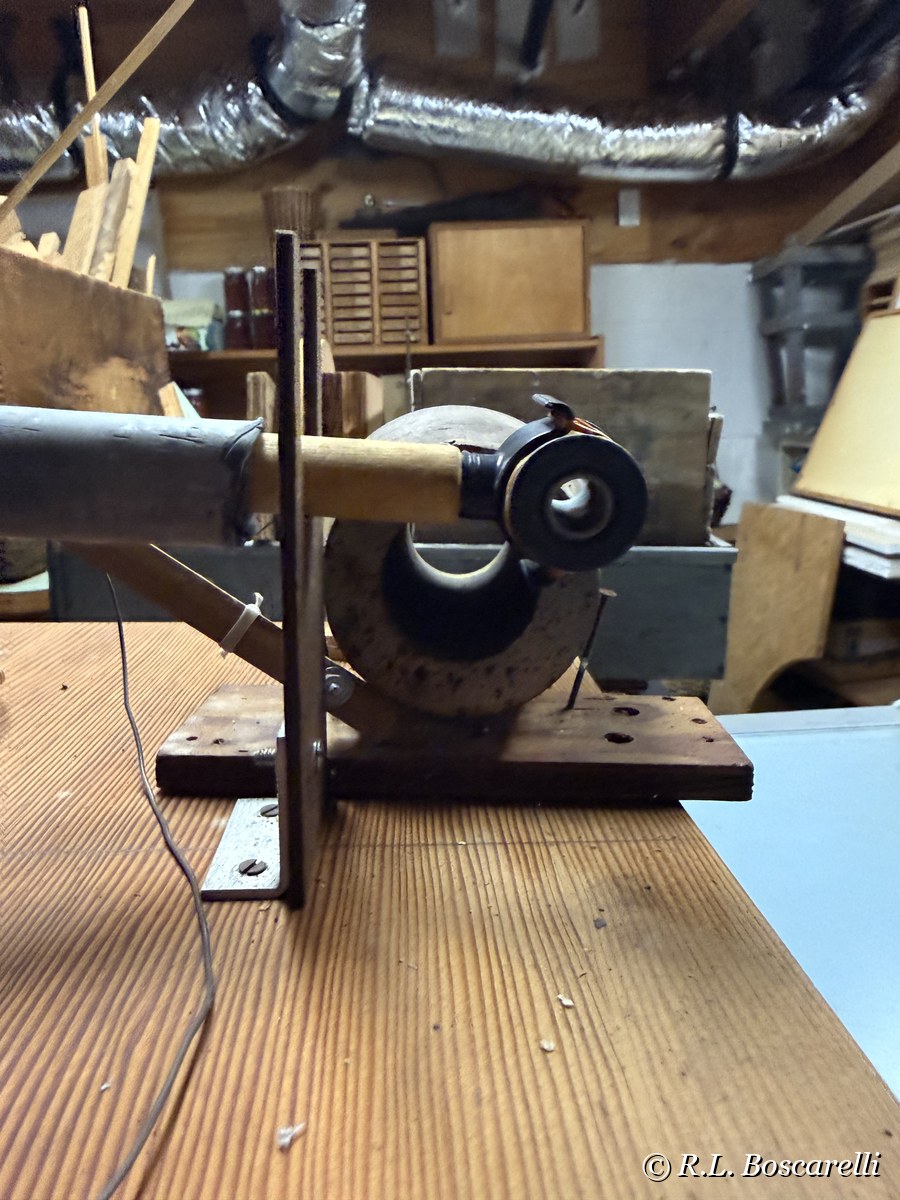
The original helicorder tape shown here recorded the 1989 Loma Prieta earthquake (M6.9) — David Reynolds, Bosco’s father-in-law, recorded it on a seismograph he built by hand. The instrument and the tape are his, not Bosco’s. Bosco installed his own station — an EQ-1 in Soquel, California — in 2002, and it records regional and worldwide seismic events on helicorder traces today.
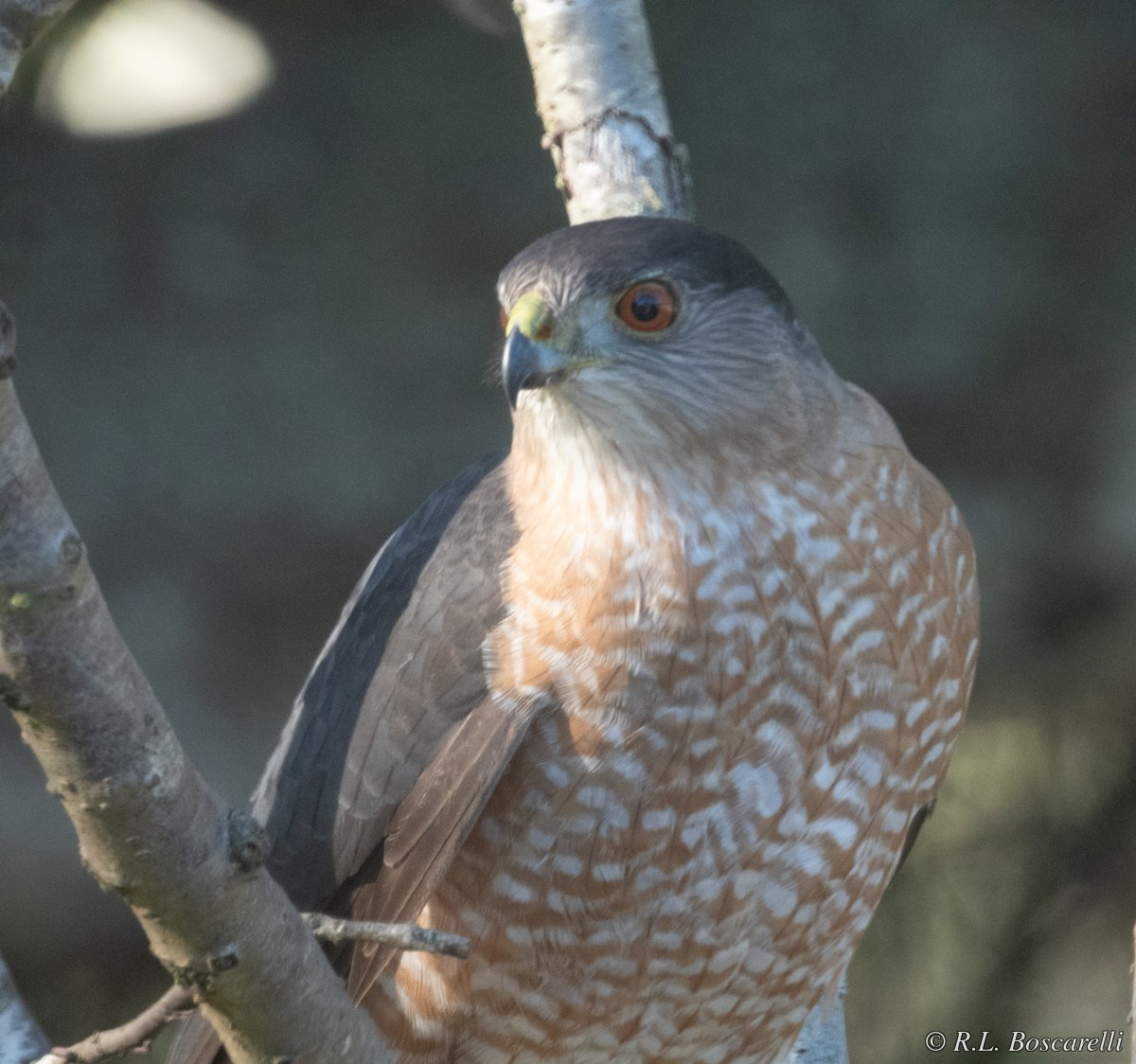
Wildlife
Natural history extends beyond the Mesozoic. Field photography from Soquel, California.