
Rocks and Minerals
Minerals are the naturally occurring building blocks of rocks — each with a characteristic chemical composition and an orderly crystal structure. They are identified by properties such as hardness (see the Mohs Hardness Scale), color, luster, streak, and crystal form.
Minerals and mineraloids
A couple of these are technically mineraloids rather than true minerals — amber is fossilized resin and obsidian is volcanic glass — but they are collector favorites all the same.
Agate is a banded form of chalcedony (microcrystalline quartz), prized for its colorful concentric layers. Condor agate — like the slab at the top of this page — comes from Argentina.
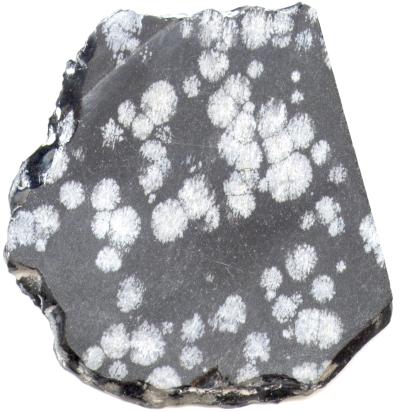
Snowflake obsidian is volcanic glass speckled with pale “snowflakes” — small clusters of the mineral cristobalite that crystallized within the glass.
From the collection
A few mineral specimens Bosco has collected or acquired over the years (shown with a scale rule).
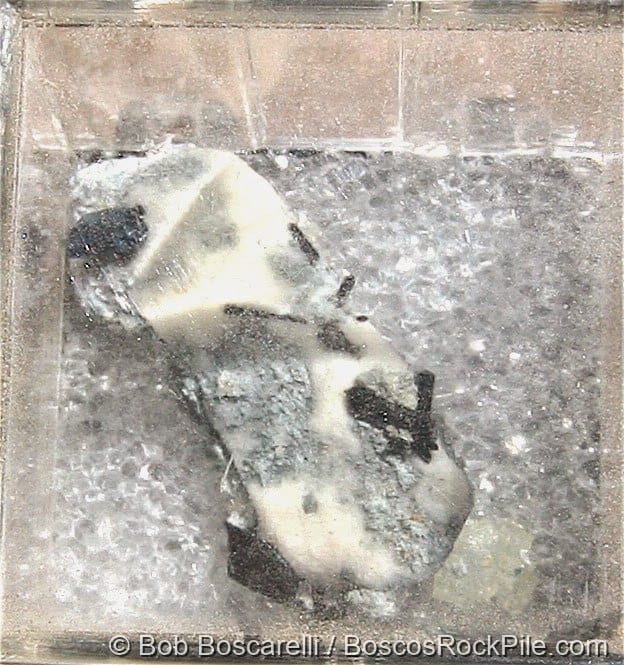 Benitoite — San Benito County, California. California’s official state gem.
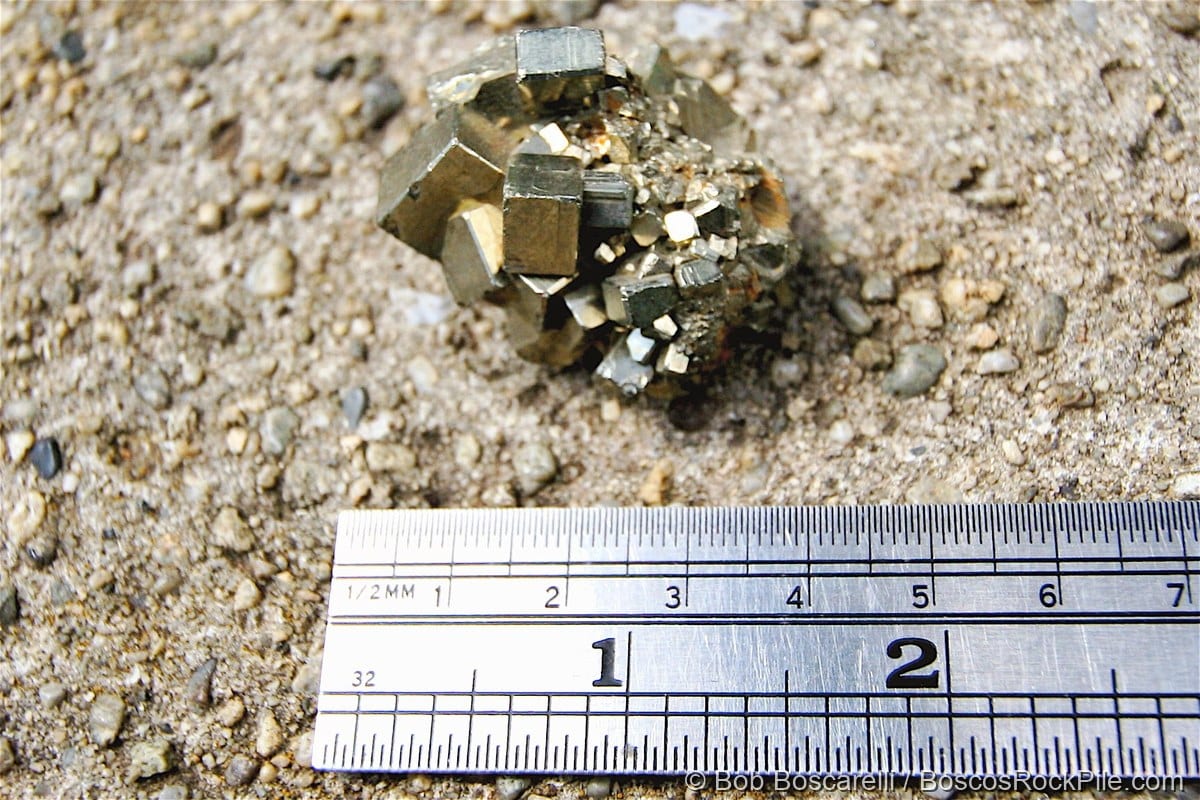 Pyrite — interlocking cubic crystals (“fool’s gold,” iron sulfide).
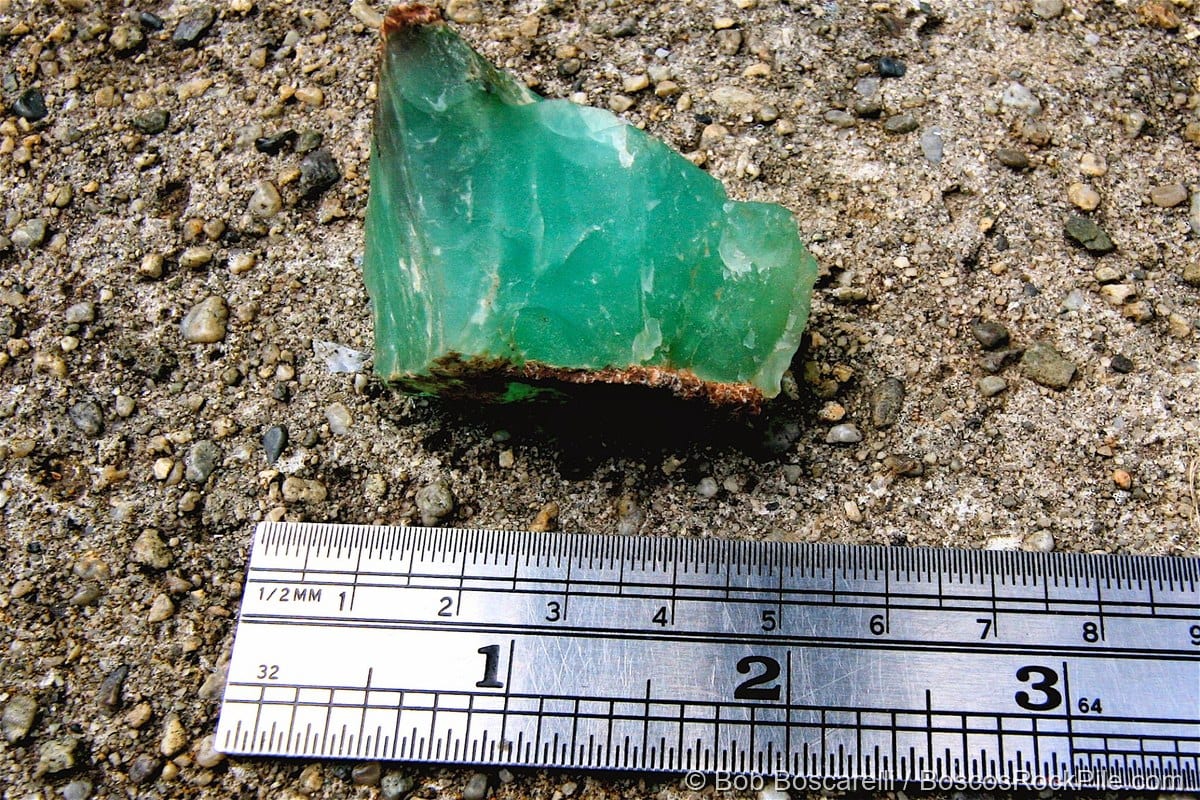 Chrysoprase — apple-green chalcedony (microcrystalline quartz).
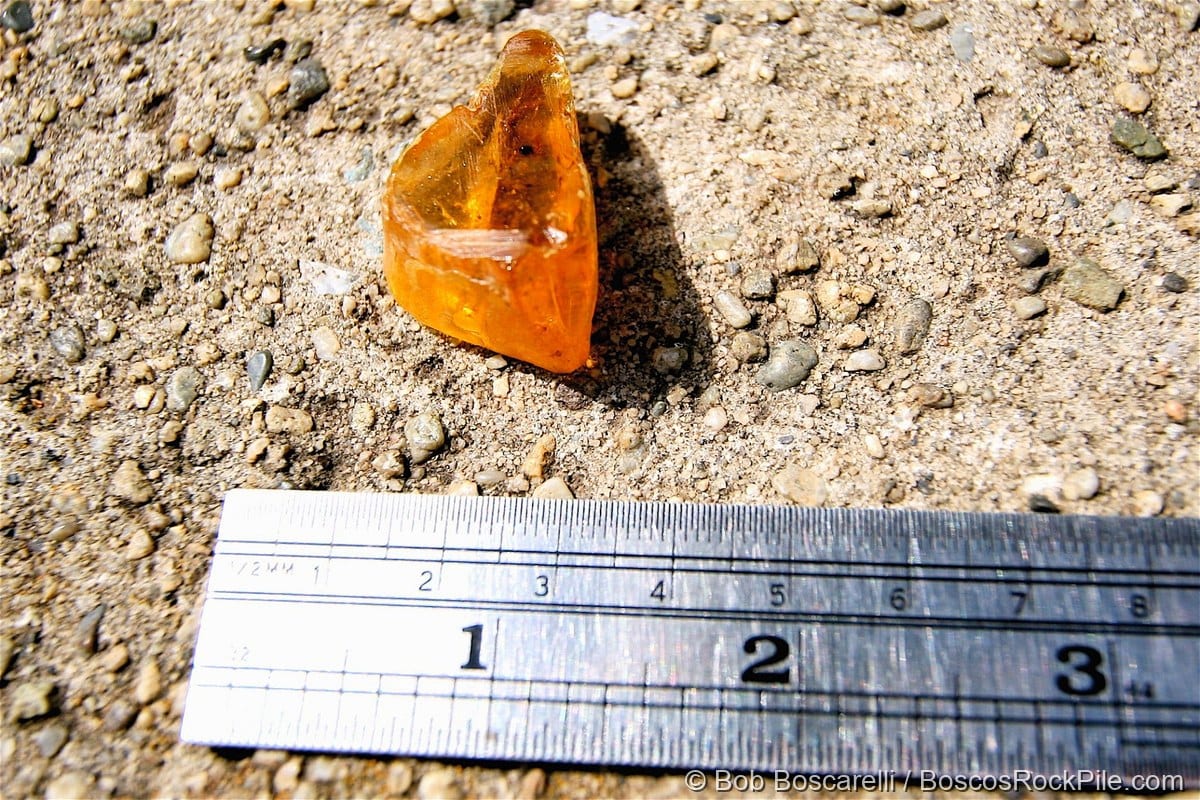 Amber — fossilized tree resin, with inclusions.
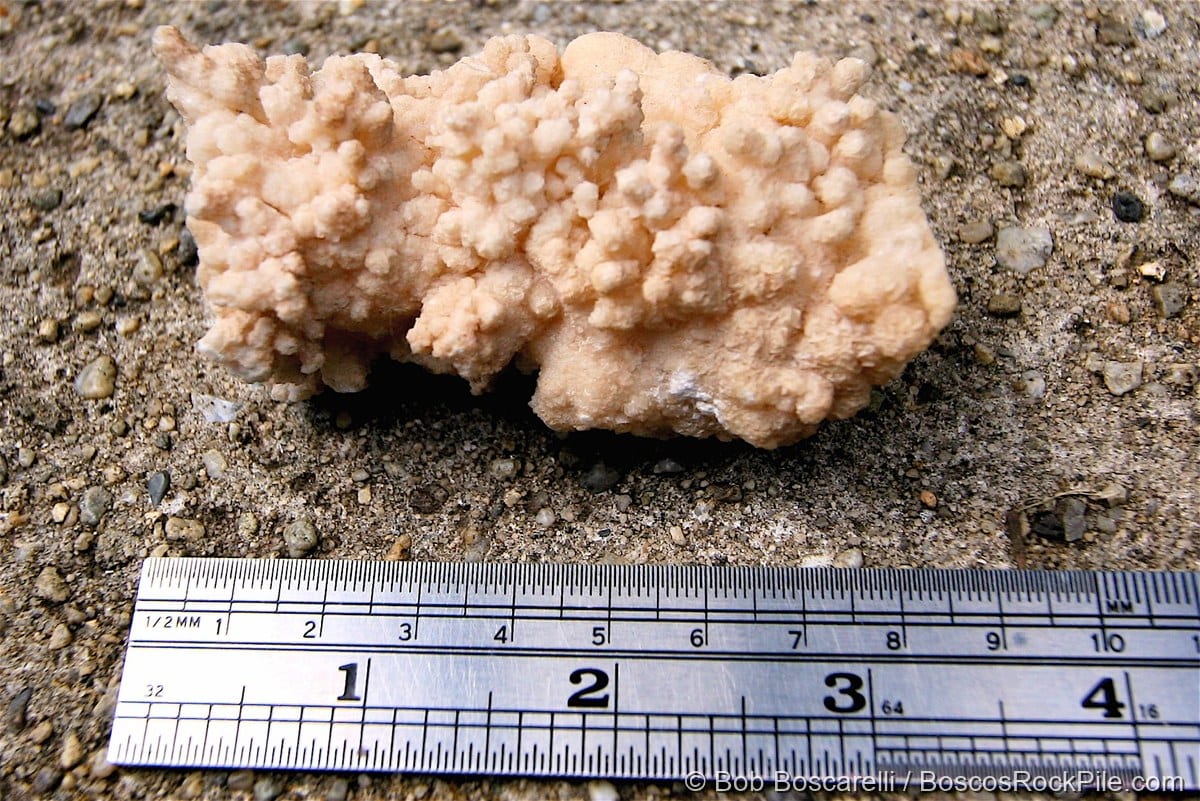 Stalactite — carbonate cave dripstone, botryoidal growth.
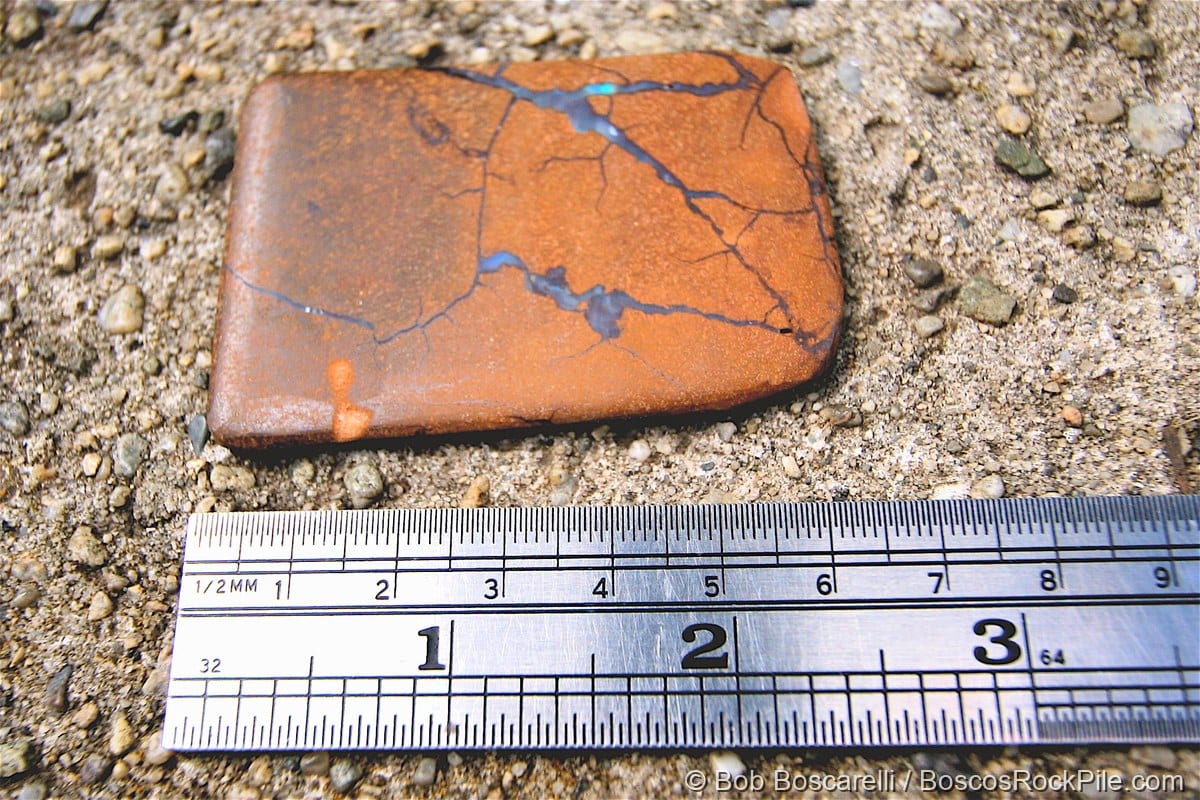 Boulder opal — opal in an ironstone matrix.
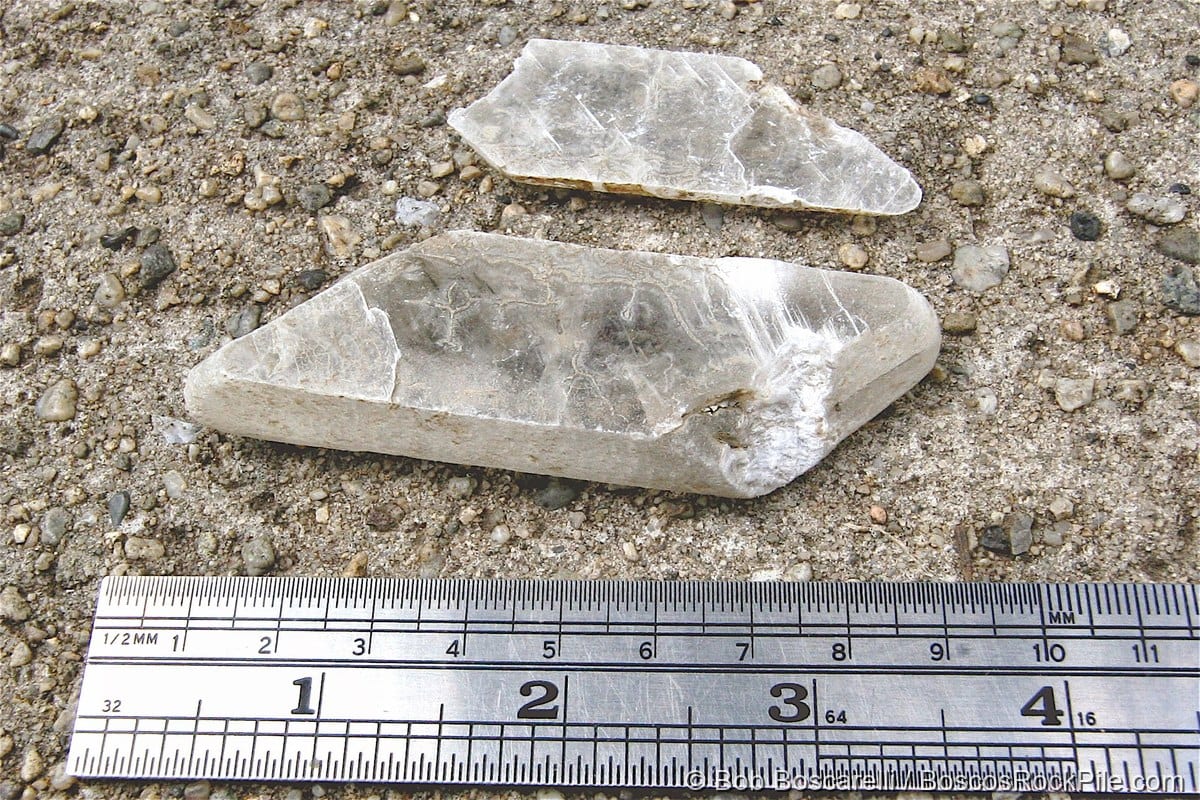 Selenite — the clear, bladed crystal form of gypsum.
Rocks
Rocks are aggregates of one or more minerals, and each one records how and where it formed. The specimens below are an eclectic mix — some earthly, a couple from beyond it.
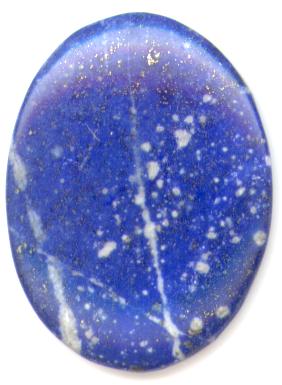
Lapis lazuli is a deep-blue metamorphic rock colored by the mineral lazurite and often flecked with golden pyrite. Prized since antiquity, it was once ground into the precious pigment ultramarine.
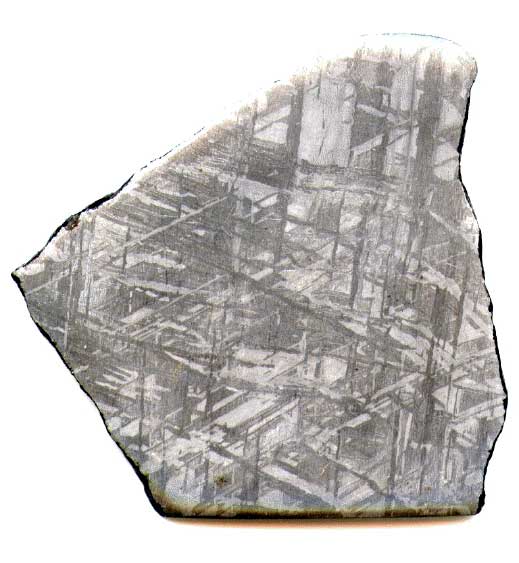
Meteorite — a piece of rock or metal from space that survived the fiery plunge to Earth. Most are fragments of asteroids, older than any rock that formed on our own planet.
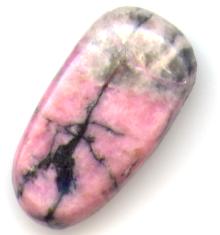
Rhodonite is a rose-pink manganese silicate, usually laced with black veins of manganese oxide — a favorite for carving and cabochons.
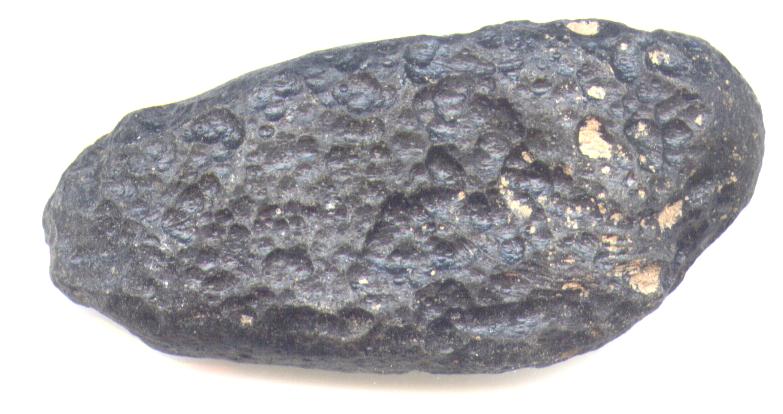
Tektite — natural glass forged when a meteorite impact melts terrestrial rock and flings it skyward, where it cools in mid-flight into dark, often sculpted shapes.
Handmade at the RockPile
Handmade sterling-silver jewelry, cut and set at the bench by the same hands that work the quarry. Every piece is one of a kind; when it is gone there is no second one. No vertebrate fossil material is ever sold.
See the work at cyberzoic.com → The silversmithing story →